








Kraft faced insulation in attic: What do homeowners need to know?
Many homeowners face confusion when choosing attic insulation. Kraft faced insulation often seems like a simple solution, but is it always the right choice?
Kraft faced insulation can be used in attics, but it must be installed properly. The kraft paper acts as a vapor barrier, helping to prevent moisture build-up and mold, which is most important in certain climates.
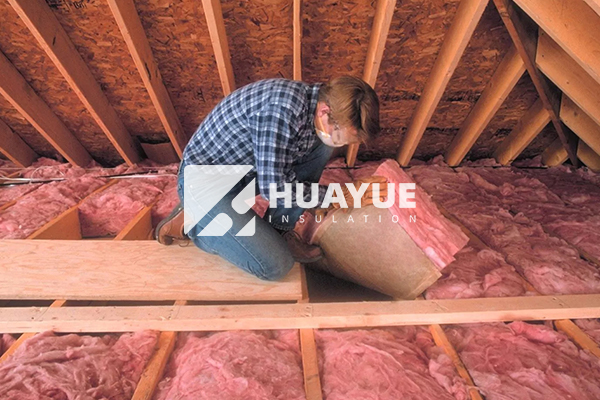
Choosing the right insulation for your attic feels overwhelming. I remember doing my attic upgrade and sorting through advice that didn’t always make sense. Let me break down the pros and cons so you don’t feel lost.
Can you use kraft faced insulation in an attic?
Some homeowners worry about moisture and airflow when insulating their attic. Installing the wrong insulation can cause problems like mold or poor energy efficiency.
Yes, you can use kraft faced insulation in an attic, especially if you need a vapor barrier to prevent moisture entering from living spaces below. Just make sure it’s installed with the paper facing the right direction.
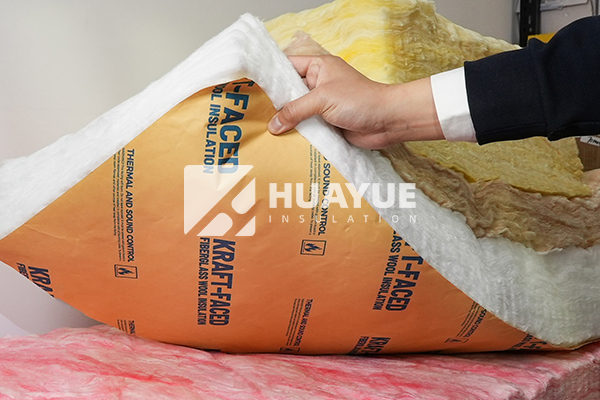
I often get asked about attic moisture. Kraft faced insulation includes a kraft paper vapor barrier. Its purpose is to block moisture, which is especially necessary in colder climates where warm air rises and condenses inside attic spaces. This barrier helps avoid mold and protects structural wood from rot.
| Climate | Vapor Barrier Need | Kraft Faced Insulation Recommended |
|---|---|---|
| Cold | High | Yes |
| Mild | Moderate | Sometimes |
| Hot/Humid | Lower (Attic Floor) | Usually Not |
Consider your attic’s location and function. If your attic is above living space and you experience cold winters, kraft faced insulation helps prevent moisture problems. In warmer climates or for ventilated attics, unfaced insulation may be better. Always check your local building codes before making a final decision. When I planned my upgrade, I checked with a local inspector to make sure my approach matched the climate zone. It saved me headaches later.
Can you remove kraft paper from insulation?
People often wonder if removing the kraft paper is possible when their project evolves. Sometimes the vapor barrier is not wanted or can interfere with double-layer installations.
Yes, you can remove the kraft paper from insulation, but do so carefully so you don’t damage the fiberglass beneath. Use a utility knife and peel gently to keep insulation intact.
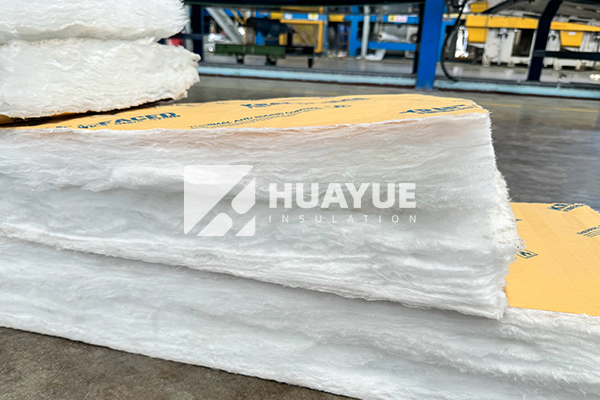
I once had leftover insulation rolls stored in my garage. I realized for my new attic area, I did not need the kraft facing. Removing kraft paper is straightforward but patience is key. The kraft layer is glued lightly to the fibers. Start at the edge and peel slowly, using a sharp blade for stubborn spots. Avoid tearing or compressing the fiberglass, since damaged insulation loses effectiveness.
When should you remove the paper? If you’re layering multiple batts or your local codes require unfaced insulation, then removal is best. If your project is retrofit, check the condition of older insulation. Sometimes holding on to the paper risks doubling up vapor barriers, trapping moisture. Always prioritize building science: moisture needs an escape path.
Should I use faced or unfaced insulation in the attic?
Choosing between faced and unfaced insulation sounds technical, but it depends on your attic’s unique needs. Picking the wrong type means less long-term comfort and possible mold issues.
Use faced insulation if you need moisture protection between your home and attic. If your attic is already air-sealed, or you’re layering insulation, unfaced batts are a better choice.
Many homeowners ask, “Does the facing matter?” Yes. Faced insulation always goes toward the heated living space. This location puts the vapor barrier on the warm side, which reduces condensation risk in cold weather.
| Situation | Insulation Type | Reason |
|---|---|---|
| First layer over living space | Faced | Moisture control |
| Second layer over old insulation | Unfaced | Prevents trapping moisture |
| Ventilated attic, not conditioned | Unfaced | No vapor barrier needed |
When in doubt, consult installation guides or a local contractor. They can pinpoint the best solution for your attic design. In my own home, I chose unfaced batts for an area that already had a vapor barrier. This kept the attic dry and avoided over-insulating, which can reduce air movement and make summer heat harder to control.
Which way should paper face on insulation in an attic?
Even experienced DIYers get tripped up by “Which side faces in?” Misplacement allows moisture problems or reduces energy savings.
The paper side of kraft faced insulation should always face the heated interior of the house. This positions the vapor barrier toward the living space and away from airflow in the attic.
Clear rules help avoid mistakes. When insulating attic floors (above the ceiling of your room), lay batts so the kraft facing points downward into the room. Never install the paper facing up toward attic air. In cathedral ceilings, the paper should face the interior living space.
Here’s a quick reminder:
| Application | Paper Facing Direction |
|---|---|
| Attic Floor | Facing Downward |
| Sloped Attic Ceiling | Facing Inward |
| Walls | Facing Interior Room |
Incorrect placement can trap moisture, making attic wood susceptible to rot. If your attic is vented and does not need a vapor barrier, unfaced insulation is best. I double-checked this detail before doing my own installation—getting it right means fewer problems in years to come.
Conclusion
Kraft faced insulation helps control attic moisture. Install with the paper facing living space and pick faced or unfaced to fit local climate and project needs.
You may also be interested in:
Ready to Get Started?
Get in touch with our experts for personalized solutions tailored to your needs.
Get Free QuoteLatest Articles

Let's Work Together
Ready to take your business to the next level? Get in touch with our team of experts and let's discuss how we can help you achieve your goals.
Get Free Solutions