




Is kraft-faced batt insulation the best choice for your project?
Homeowners and engineers often struggle to pick the right insulation. The wrong choice leads to wasted energy and higher maintenance. Let’s cut through confusion today.
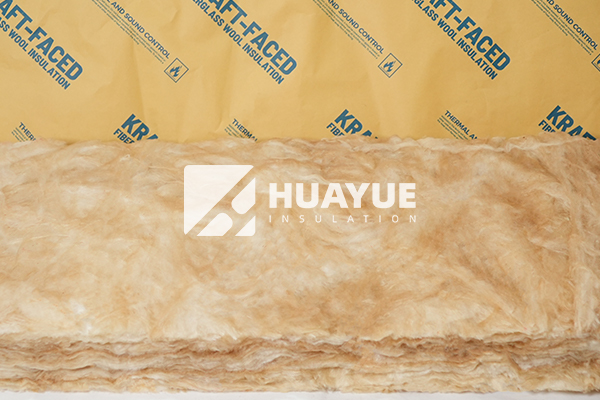
Kraft-faced batt insulation is composed of glass wool or rock wool batts with a kraft paper vapor barrier attached, offering both thermal resistance and moisture control in one easy-to-install product.
I see many people comparing insulation options without understanding the big picture. I’ll help break down what sets kraft-faced batts apart. We’ll look at how they work, why they are chosen, and which projects they fit best. Once you know these key differences, you can pick with more confidence. Let’s take a closer look.
What is kraft-faced batt insulation?
Many building projects run into problems because the insulation fails to keep out moisture, causing mold and loss of thermal performance. This is a common struggle.
Kraft-faced batt insulation consists of mats of glass wool or rock wool wrapped with a layer of kraft paper that acts as a vapor barrier to prevent moisture intrusion.
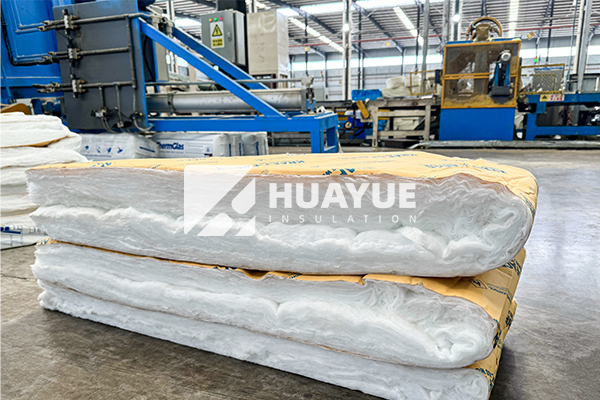
Let’s get into the details. Kraft-faced batt insulation uses glass wool or rock wool as its base. These fibers trap air, slowing down heat transfer. The key difference is the kraft paper facing. This paper is treated to resist moisture and usually installed toward the interior of your room. It acts as a vapor barrier, which stops water vapor from moving through the wall or attic into your insulation. This extra layer makes it easier to install and safer against condensation.
Kraft-faced batts are usually cut to fit standard wall or ceiling cavities. I recommend them for projects where moisture control is a priority, like basements, crawl spaces, or above bathrooms and kitchens. Compared to unfaced batts, which offer no vapor resistance, kraft-faced options help prevent mold and rot when placed correctly. Here is a breakdown:
| Feature | Kraft-Faced Batt | Unfaced Batt |
|---|---|---|
| Base Material | Glass/Rock Wool | Glass/Rock Wool |
| Facing | Kraft Paper | None |
| Vapor Barrier | Yes | No |
| Mold/Moisture Risk | Lower | Higher |
| Typical Uses | Exterior walls, wet areas | Interior partitions |
You must always install the kraft side facing the indoor area. Doing this helps protect your insulation investment for years to come.
Is kraft-faced insulation better?
Many buyers worry that their insulation will fail under humid conditions or fire risks. Making the wrong choice can mean costly repairs down the road.
Kraft-faced insulation is better for spaces where moisture control is essential, but it is not fire rated and should not be exposed in high-heat areas.
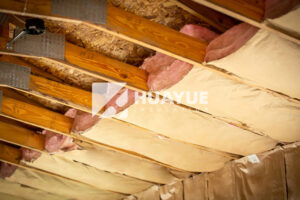
Kraft-faced batts have some big advantages. The vapor barrier helps keep moisture from seeping into walls, which is important in places with high humidity or temperature shifts. You get a cleaner installation—no need for a separate vapor barrier. In attics, crawlspaces, and around bathrooms, the kraft facing is a smart match.
But there are limits. Kraft paper is not fire-rated, so it should never be exposed without drywall or other protection. In areas with strict fire codes, unfaced batts are safer for exposed use. Some installers also find kraft paper harder to staple in place compared to loose batts, especially if joist spacing is uneven.
If your biggest concern is mold or condensation, kraft-faced batts are worth it. For places where fire risk rules, choose unfaced or go with a separately rated vapor barrier. Here’s a quick pros and cons table:
| Pros | Cons |
|---|---|
| Moisture control | Not for exposed fire areas |
| Easy installation | No soundproofing upgrade |
| Pre-cut batts | Not for all climates |
| Mold prevention | Must face indoors |
What’s the difference between kraft-faced and unfaced insulation?
Choosing between faced and unfaced insulation causes confusion for many. The wrong choice can mean damp walls and lost energy savings.
Kraft-faced insulation includes a paper vapor barrier for moisture control, while unfaced insulation is plain mineral wool or fiberglass without any moisture barrier.
The main difference comes down to the vapor barrier. Kraft-faced batts have their brown paper surface, which stops water vapor. Unfaced batts don’t have this layer. If you just need thermal insulation and have dry conditions, unfaced batts are enough. They are often used in interior rooms, where moisture isn’t a problem.
Kraft-faced batts go into spaces behind drywall where humidity might sneak in. They help lower the chance of mold and preserve the R value. They also make installation easier since you don’t need a separate vapor barrier sheet.
Situations to use each:
| Use Case | Kraft-Faced Batt | Unfaced Batt |
|---|---|---|
| Moisture Area | Recommended | Not Effective |
| Fire Safety | Needs covering | OK if exposed |
| Interior Space | Not needed | Suitable |
| Retrofit | Harder to add later | Easier |
| Soundproofing | Same | Same |
I always recommend checking your local building codes. In some places, kraft paper isn’t allowed if it will be exposed to open flames. Know your climate and the job location before picking.
What is the R value of kraft-faced insulation?
Building managers and engineers need to meet strict efficiency standards. Mistaking the R value costs extra in heating bills or fails code inspections.
Kraft-faced batt insulation typically has an R value ranging from R-11 to R-38, depending on material thickness and density.
The R value is the number that shows how well insulation blocks heat flow. For glass wool batts, R values start at R-11 for 3.5-inch thickness and can reach up to R-38 for 12-inch batts. Rock wool runs similar, but is sometimes slightly higher due to mineral density.
Kraft paper does not add extra thermal resistance. Its job is only to control moisture. The R value comes primarily from the core material—the wool itself. Always check the label on the product before buying. The right R value depends on your climate and what part of your building you are insulating. For example, walls might use R-13 or R-15, while attics and roofs need R-30 or higher.
Here is how some typical choices look:
| Area | Recommended R Value | Thickness (Glass Wool) | Kraft-Faced Option |
|---|---|---|---|
| Exterior Wall | R-13 to R-15 | 3.5" | Yes |
| Attic | R-30 to R-38 | 9-12" | Yes |
| Floor | R-19 | 6" | Yes |
| Crawl Space | R-19 | 6" | Yes |
Pick material based on the climate and use kraft-faced batts where moisture protection adds value.
Conclusion
Kraft-faced batt insulation provides moisture control and solid energy-saving performance, but you must pick it for the right space and match your R value needs.
You may also be interested in:
Ready to Get Started?
Get in touch with our experts for personalized solutions tailored to your needs.
Get Free QuoteLatest Articles


Should B2B Buyers Choose Mineral Wool Insulation?
Mar 31, 2026
Is Rock Wool a Good Choice for Acoustic Insulation?
Mar 30, 2026
Rockwool Insulation for Roof: Best Practices (2026)
Mar 27, 2026
Let's Work Together
Ready to take your business to the next level? Get in touch with our team of experts and let's discuss how we can help you achieve your goals.
Get Free Solutions