






Is glass mineral wool the same as fibreglass?
Glass mineral wool and fibreglass often get mixed up, leading to confusion for anyone choosing insulation materials.
Glass mineral wool is similar to fibreglass but made using slightly different processes and has unique composition tweaks. Both come from glass, but glass mineral wool sometimes has extra minerals. They offer comparable insulation and fire resistance.
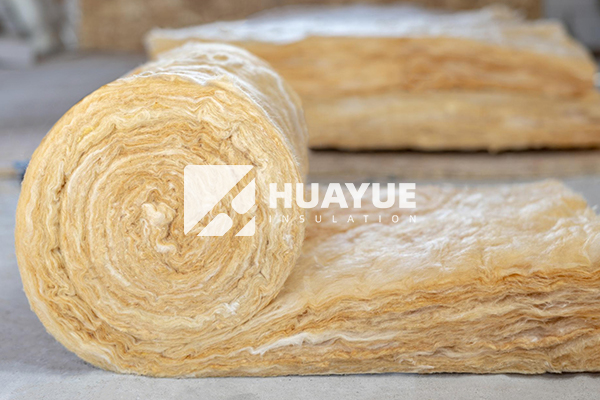
People ask about glass mineral wool and fibreglass because they want the best insulation. They worry about safety, moisture, and performance. Understanding what sets these insulators apart can help you make the best choice for your projects.
What happens if glass wool gets wet?
Water and insulation don’t mix. When glass wool gets wet, everyone wonders: does it still work, or is it ruined?
Wet glass wool loses its insulating ability. Water fills the tiny air pockets meant to stop heat flow. If glass wool stays wet too long, it can also slump under its own weight and cause issues like mold if organic binders are present.
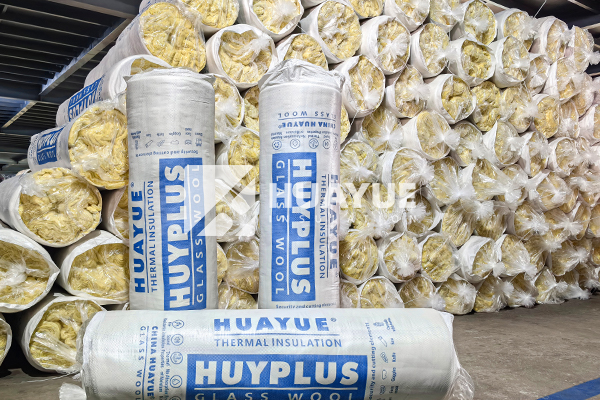
Water changes insulation dramatically. In glass wool’s case, it fills the space made for trapping air. That air is what prevents heat from escaping or entering. When moisture takes over, it disrupts this effect. So, the insulation no longer works the way it should. If you spot water, act fast. Remove the affected insulation and allow it to dry out completely. If the water source is not fixed, repeat damage happens. In some cases, glass wool can recover after drying. But often, long-term exposure means permanent loss of effectiveness.
What is glass mineral wool?
People want to know what sets glass mineral wool apart from other insulation products. It’s a common question for anyone dealing with building materials.
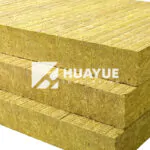
Glass mineral wool comes from melted glass spun into fibers, sometimes combined with other minerals like sand or limestone. The result is a flexible mat that traps heat and resists fire by holding lots of air pockets.
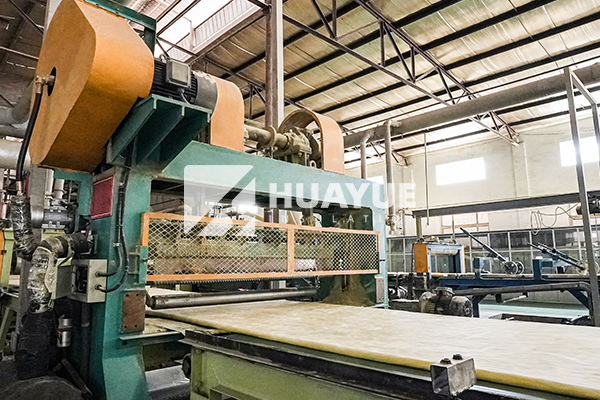
Glass mineral wool starts with glass waste and sand. These materials get melted at high temperatures, then spun quickly to create a web of fine fibers. Manufacturers add binders to help keep the loose fibers together and form sheets, rolls, or boards. The air trapped inside is the secret to thermal insulation. Unlike dense materials, glass mineral wool is light and easy to shape. It works well in walls, roofs, HVAC ducting, and large tanks. The main benefit is its safety. It’s naturally non-combustible and has strong sound absorption. Engineers choose glass mineral wool for its fire protection and energy savings.
| Property | Glass Mineral Wool | Application Examples |
|---|---|---|
| Composition | Melted glass + minerals | Tanks, buildings, HVAC ducting |
| Appearance | Soft, fibrous, light | Rolls, slabs, mats |
| Key Advantages | Fire safe, flexible | Thermal insulation, soundproofing |
| Key Weakness | Loses performance when wet | Requires proper installation |
What are the disadvantages of mineral wool?
People want the best for their projects. Knowing what could go wrong with mineral wool is important before making a choice.
Mineral wool insulation can irritate skin and lungs if handled without protection. It may lose efficiency if exposed to water, and sometimes costs more than other insulators.
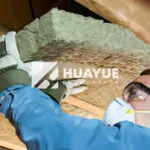
Disadvantages of mineral wool come from its fiber structure. When installing, it is easy to get tiny fibers in the air, which can cause discomfort. Working without gloves or a mask can lead to itching or breathing problems. Mineral wool absorbs moisture. When exposed to water, it is hard to recover its original insulation value, and sometimes it grows mold if organic binders are present. The cost of mineral wool is another issue. While it offers excellent performance, the price per square meter is generally higher compared to foam or cheaper fibrous products.
| Problem | Cause | Solution |
|---|---|---|
| Skin, lung irritation | Airborne fibers | Use gloves, masks, long sleeves |
| Moisture sensitivity | Open fiber structure | Install vapor barriers |
| Higher cost | Manufacturing process | Compare long-term benefits |
| Potential for mold | Wet + organic binder | Pick mineral wool with inorganic binder |
Which is better, rock wool or glass wool?
People want to choose the best insulation. Rock wool and glass wool have their fans, but what’s the real difference?
Rock wool offers superior fire resistance and mechanical strength. Glass wool is lighter, easier to work with and often costs less. Both are good insulators, but your choice depends on your project needs.
Choosing between rock wool and glass wool depends on specific priorities. Rock wool, made from melted basalt or slag, resists fire and physical impacts better than glass wool. It is stiffer, so it can handle mechanical pressure in tank bottoms or wall panels. Rock wool also handles moisture slightly better due to its closed structure, but still isn’t waterproof. Glass wool, meanwhile, is lighter and easier to cut or shape. It works well where flexibility matters, like in curves or tight spaces around pipes. Cost is another factor—glass wool usually costs less, making it attractive for large-scale projects. Both perform well for thermal and acoustical insulation. If you need maximum fire safety or strength under load, pick rock wool. If you prioritize ease of use and price, glass wool gets the nod.
| Feature | Rock Wool | Glass Wool |
|---|---|---|
| Fire Resistance | Excellent | Excellent |
| Mechanical Strength | High | Moderate |
| Weight | Heavy | Light |
| Flexibility | Rigid | Flexible |
| Price | Higher | Lower |
| Moisture Handling | Slightly better | Sensitive |
| Best Use | Tanks, fire walls | Roofs, curves, HVAC |
Conclusion
Glass mineral wool and fibreglass are similar but not the same. Pick based on your project’s fire, moisture, and budget needs.
You may also be interested in:
Ready to Get Started?
Get in touch with our experts for personalized solutions tailored to your needs.
Get Free QuoteLatest Articles


Let's Work Together
Ready to take your business to the next level? Get in touch with our team of experts and let's discuss how we can help you achieve your goals.
Get Free Solutions