








Is fiberglass insulation pipe the best solution for basement wall insulation?
Basement wall insulation can be confusing. Many choices leave you unsure of what’s best. Everyone wants cost-effective, safe options.
Fiberglass insulation pipe is often considered a preferred choice for basement walls because it is affordable, easy to install, and provides effective thermal resistance. When installed correctly, it helps lower energy costs and keeps the basement more comfortable.
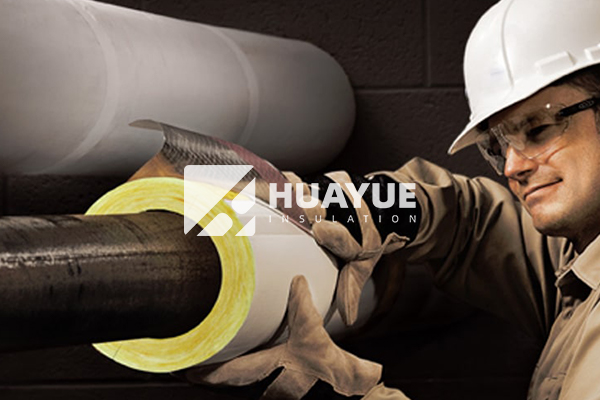
Many people hesitate before beginning basement wall insulation projects. The variety of insulation products can seem overwhelming. Let’s explore how fiberglass insulation pipe stacks up against other options and answer the most common questions.
Is fiberglass insulation good for basement walls?
Insulating basement walls is vital. You want to stop heat loss, prevent moisture issues, and create a comfortable space.
Fiberglass insulation is suitable for basement walls because it is moisture-resistant, easy to install, and cost-effective. It also offers good thermal performance when paired with a proper vapor barrier and is commonly chosen for DIY projects.

When I first looked at basement insulation for my home, I wanted something that wouldn’t break the budget or involve a team of professionals. Fiberglass insulation made the most sense to me. It comes in pre-cut sections and pipes that are shaped to fit around plumbing and structural elements. The lightweight material lets me handle the installation solo, and its flexibility reduces mistakes. For basements, moisture is always a concern due to proximity to the ground. But fiberglass won’t rot or run into big moisture problems unless exposed directly for long periods. Still, I paired my fiberglass insulation with a vapor barrier to keep water out. Another plus is the noise control. My basement became quieter after I installed the pipes, which made it more usable as a workspace. The installation saved energy almost immediately. I noticed less cold air coming up from the basement in the winter, and my heating bill dropped. That made me believe this insulation method really worked.
| Feature | Glass Wool Pipe | Spray Foam | Rigid Foam Board |
|---|---|---|---|
| Price | Affordable | More expensive | Moderate |
| DIY Installation | Easy | Hard | Moderate |
| Moisture Resistance | Good | Excellent | Very Good |
| Soundproofing | Good | Good | Moderate |
| Durability | High | High | High |
What is the best type of insulation for basement walls?
Choosing the best insulation comes down to needs. You want what fits your climate, budget, and experience level.
Rigid foam board is considered the best type for basement walls because it provides high thermal resistance, controls moisture, and blocks mold growth. However, fiberglass insulation pipes remain an attractive alternative because of their low cost and DIY-friendly installation.
When I set up insulation, I looked at rigid foam, spray foam, and fiberglass. Rigid foam boards perform well against extreme temperatures and don’t absorb water. They’re tougher to install though. Spray foam offers great insulation but costs a lot more. Fiberglass, on the other hand, is simple and quick. For a basement that won’t be finished, fiberglass pipes are good enough if you use a vapor barrier. For finished basements, where you need a warm and dry space year-round, rigid foam may do best. But fiberglass products are much easier to handle, especially around pipes and narrow spots. If your priority is price and simple installation, pick fiberglass. If long-term performance and moisture control matter most, consider rigid foam.
| Material | Thermal Resistance | Moisture Control | Installation Ease | Cost |
|---|---|---|---|---|
| Fiberglass Pipe | Good | Good | Easy | Low |
| Rigid Foam | Excellent | Excellent | Moderate | Medium |
| Spray Foam | Excellent | Excellent | Hard | High |
Should I use faced or unfaced insulation in basement walls?
Picking faced or unfaced insulation depends on your basement’s moisture level and wall setup.
Faced insulation is recommended for basement walls as it includes a vapor barrier, which helps manage moisture. Unfaced insulation works in applications where moisture is controlled by another system or when double layering.
I debated between faced and unfaced fiberglass when I started. Faced insulation has a built-in vapor barrier. This prevents condensation inside walls, which matters a lot in damp basements. If there’s no vapor barrier, humidity can creep in and lead to mold. Some people go for unfaced insulation when the wall already has a moisture control system or if doubling up insulation layers. I used faced fiberglass pipes because my basement tends to get damp in the spring. It was easy to install around pipes and wires. I just made sure the facing pointed toward the warm side, like the instructions said. The vapor barrier helped me keep the space dry, and so far, I have not noticed any musty smells or dampness.
| Type | Benefits | Good for Damp Basements | Used with Vapor Barrier |
|---|---|---|---|
| Faced | Moisture control, easy install | Yes | Built-in |
| Unfaced | Flexible for layering, basic | No, unless controlled | Needs separate barrier |
What is the cheapest way to insulate basement walls?
Cost is a big concern. Most people want to insulate without a big bill.
The cheapest way to insulate basement walls is using fiberglass insulation pipes or batts paired with a polyethylene vapor barrier. This solution is affordable, effective, and suitable for DIY projects.
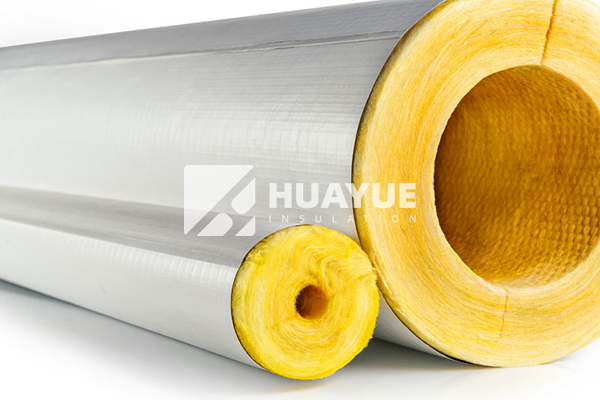
I always watched my spending when I upgraded my basement. Fiberglass insulation pipes from local suppliers fit my budget best. They’re cheaper by the square meter than rigid foam and much easier for me to transport and handle. With the right vapor barrier, I avoided extra materials and labor. I measured the walls, got the right size insulation, and installed everything over a weekend. Buying insulation in bulk from a warehouse or factory outlet saved extra money. Labor was free because I did it myself. I checked for moisture, patched any cracks, and then added the insulation pipes. The results were solid—a warmer basement, lower energy bills, and no financial headache. If you want results without spending a fortune, pick fiberglass and install it yourself.
| Method | Upfront Cost | Labor Requirement | Effectiveness | Long-term Savings |
|---|---|---|---|---|
| Fiberglass Pipe + Barrier | Lowest | DIY Easy | Good | Moderate |
| Rigid Foam Board | Moderate | DIY/Pro | Excellent | High |
| Spray Foam | Highest | Professional | Excellent | High |
Conclusion
Fiberglass insulation pipe offers a practical, cost-effective way to insulate basement walls for most homeowners. It balances value, thermal performance, and easy installation.
You may also be interested in:
Ready to Get Started?
Get in touch with our experts for personalized solutions tailored to your needs.
Get Free QuoteLatest Articles

Let's Work Together
Ready to take your business to the next level? Get in touch with our team of experts and let's discuss how we can help you achieve your goals.
Get Free Solutions