







Is Fiberglass Insulation Flammable?
People often worry about fire hazards when choosing insulation. That fear is real. I had similar doubts before using fiberglass, especially since my work deals with high-stakes safety.
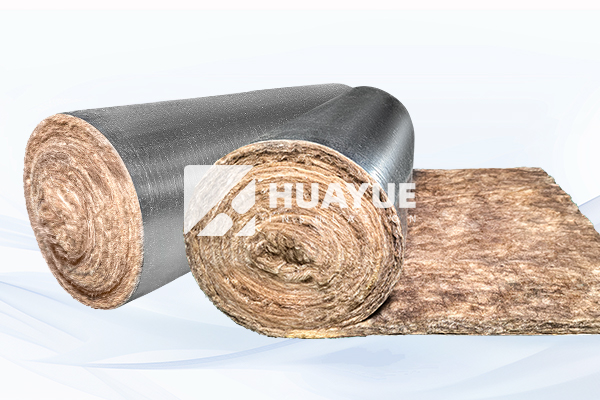
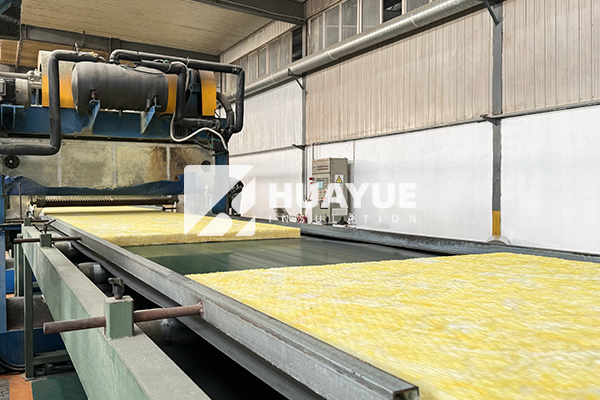
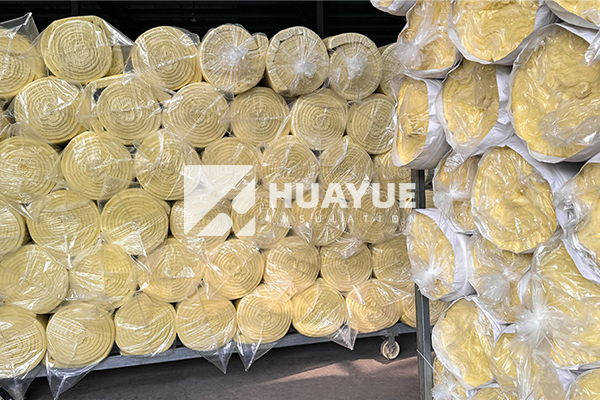
Fiberglass insulation itself is not flammable. It is made from sand and glass, which do not catch fire easily. Most fiberglass insulation will not ignite unless exposed to extreme temperatures, far above those in typical building fires.
You may still want to know more. There are situations where fire risk changes. Let me break it down into facts that help you make the right choice.
Is Fiberglass Insulation a Fire Risk?
Fire risk matters for every engineer and builder. Risk keeps me up at night, especially when responsible for tank safety.
Fiberglass insulation is not a fire risk. It does not burn easily. In most cases, it resists fire. But extra caution is needed if the product contains paper-backed facing or other added materials.
Fire risk depends on both the material and how it is installed. The fiberglass core is safe. I always focus on checking the surface and facing material. Some manufacturers use kraft paper or foil as a vapor barrier, which can change how the insulation reacts to fire. Kraft paper burns at much lower temperatures than glass fibers. I learned this when inspecting tanks with old installations: improper facing increased the risk. If you plan to use fiberglass, confirm it meets fire codes and installation guidelines. Choose insulation with no paper facing for areas with high heat or open flames.
Here is a quick table summarizing fire risk factors:
| Component | Flammable? | Fire Risk Level | Notes |
|---|---|---|---|
| Glass fibers | No | Low | Inert, doesn’t ignite |
| Kraft paper facing | Yes | High | Ignites around 450°F |
| Foil facing | No | Low | Resists fire |
| Binder/resin | Sometimes | Medium | Depends on type, read specs |
If you manage tanks or process piping, always look beyond the main insulation and check all layers.
Is Fiberglass Considered Flammable?
I hear this question often from project managers. Flammability comes up every time someone considers a new material.
Fiberglass is not considered flammable. It will not sustain a flame. It is rated as noncombustible by building codes in most places.
Flammability tests prove glass fibers do not ignite under normal conditions. I once visited a test facility where samples were hit directly with a blowtorch. Glass fibers melted but never flamed. When exposed to extreme heat, fiberglass may shrink or melt, but it will not catch fire or spread flames. That gives peace of mind for chemical plants and industrial tanks, where fire safety is critical. Different standards (ASTM E84, EN 13501) rate materials for flammability. Fiberglass always reaches the highest marks for noncombustibility. If you use insulation in a high-risk area, pick products clearly marked as "noncombustible" in the data sheets. Ask for third-party test results.
Here’s a summary table:
| Material | Flame Spread Index | Smoke Developed | Classification |
|---|---|---|---|
| Fiberglass core | 0-25 | <50 | Noncombustible |
| Kraft paper | >200 | >100 | Combustible |
| Resin binder | Varies | Varies | Check specs |
I always specify "Class A" or "Group 1" insulation for new tank builds to meet strict factory safety rules.
What is the Fire Rating of Fiberglass Insulation?
Fire rating is a key spec on every procurement list. The buyers I work with need clear numbers before signing off.
Fiberglass insulation typically carries a "Class A" (ASTM E84) or "Euroclass A1" fire rating. That means it offers the highest fire safety level for building materials.
Fiberglass insulation must pass rigid fire rating tests. The main US standard is ASTM E84, giving a "Class A" rating when the flame spread index is 0-25 and smoke developed is below 50. In Europe, the EN 13501 standard assigns "Euroclass A1," meaning noncombustible. Ratings can change if insulation includes additives or facings. Always check the manufacturer’s test certificates for the product you want. In my experience, ratings are vital for insurance, local code compliance, and project approval. Large industrial sites never accept products below "Class A." Sometimes, insurance auditors even check product batches for fire test marks. For added safety, I always request certification from independent labs, like SGS or Intertek, especially for critical applications like cryogenic tanks and chemical piping.
A list of popular fire rating standards:
| Standard | Rating | Description |
|---|---|---|
| ASTM E84 | Class A | Flame spread ≤ 25, low smoke |
| EN 13501 | A1 | Noncombustible |
| UL 723 | Best | Used worldwide |
| BS 476 | Best | UK fire rating standard |
If you want your installation to pass all fire codes, stick to insulation listed as "Class A" or "A1".
At What Temperature Does Fiberglass Insulation Burn?
Temperature thresholds guide every plant engineer. It’s a life-or-death detail for tanks with extreme heat.
Fiberglass insulation does not burn under normal temperatures. It starts to melt between 1,000°F and 1,220°F (540°C to 660°C).
Burning is different from melting. Glass itself does not ignite. I once saw insulation exposed to a welding accident. The glass fibers melted and lost their strength, but they never burst into flame. Installations in chemical plants or near high-temperature tanks must account for this. While fiberglass can handle hot surfaces, it should not be used where temperatures might exceed these melting points. If exposed above 1,000°F, fiberglass will lose shape, leaving gaps and exposing tank surfaces. Some binders or facings might burn off earlier, so check the specs carefully. If your tanks face risk of intense direct flame (like in refinery or gas plant emergencies), consider aluminum or foam glass insulation for extra safety.
Key melting points:
| Material | Melting Point (°F) | Ignition Point (°F) | Remarks |
|---|---|---|---|
| Glass fiber | 1,220 | N/A | Does not ignite |
| Kraft paper facing | 450 | 450 | Burns easily |
| Aluminum facing | 1,220 | N/A | Resists fire |
I always review these numbers before designing a new tank system, especially if it handles hot chemicals or steam.
Conclusion
Fiberglass insulation is not flammable. It is safe for most industrial applications, as long as you choose the right facings and certify its fire ratings.
You may also be interested in:
Ready to Get Started?
Get in touch with our experts for personalized solutions tailored to your needs.
Get Free QuoteLatest Articles


Should B2B Buyers Choose Mineral Wool Insulation?
Mar 31, 2026

Is Rock Wool a Good Choice for Acoustic Insulation?
Mar 30, 2026
Rockwool Insulation for Roof: Best Practices (2026)
Mar 27, 2026
Let's Work Together
Ready to take your business to the next level? Get in touch with our team of experts and let's discuss how we can help you achieve your goals.
Get Free Solutions