






Is Fiberglass Insulation Fireproof?
Fiberglass insulation is everywhere in construction, but can we really trust it to protect us from fire hazards?
Fiberglass insulation is not fully fireproof, but it is highly fire-resistant. It does not burn under normal conditions, resists heat well, and will not spread flames. Still, fiberglass insulation has limits you should know.
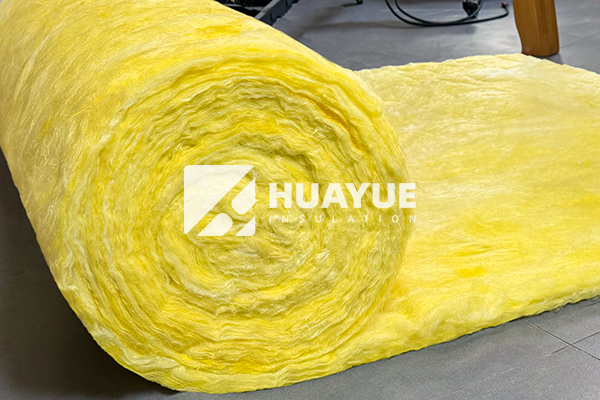
Fiberglass insulation has built-in fire resistance because it is made from glass fibers that won’t burn in regular fires. But I always remind my clients that “fire-resistant” doesn’t mean “fireproof.” The difference is important. Let’s look closer at which insulation options perform best during a fire and what you should know for your project.
Which insulation is most fire resistant?
Some insulation types claim to be fireproof, but does any meet all fire safety standards perfectly?
Mineral wool insulation is the most fire-resistant common insulation. It withstands temperatures over 1000°C, doesn’t burn, and won’t spread fire. Fiberglass comes close, but mineral wool sets the benchmark.
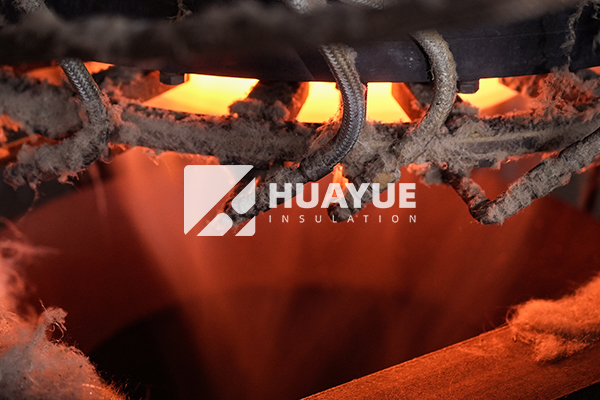
I have compared glass wool, rock wool, cellular glass, and foam insulation for clients like Hans Müller in chemical plants. Mineral wool – also called rock wool or stone wool – passes the strictest fire-safety tests. It doesn’t melt or emit toxic smoke under extreme heat. Below is a table showing fire resistance features:
| Insulation | Melting Point | Burns? | Flame Spread | Smoke Emission | Comments |
|---|---|---|---|---|---|
| Mineral Wool | >1000°C | No | No | Low | Highest fire resistance |
| Fiberglass | ~700°C | No | No | Low | Very fire-resistant |
| Foam Glass | >800°C | No | No | Low | Ideal for high-heat storage |
| Polystyrene | 240°C | Yes | Yes | High | Not recommended near heat |
| Polyurethane | ~200°C | Yes | Yes | High | Burns quickly |
I focus on this difference when advising on industrial tanks or facilities that need the best fire protection. Mineral wool or foam glass offers maximum peace of mind. Fiberglass is excellent, too, but when the safety standard is unforgiving, top-rated mineral wool is the go-to material.
How fireproof is fiberglass insulation?
Many users believe fiberglass won’t burn or melt at all. Is this really true?
Fiberglass insulation can withstand temperatures up to about 700°C without burning. The glass fibers won’t ignite, but the paper or foil facings may burn under direct flame.
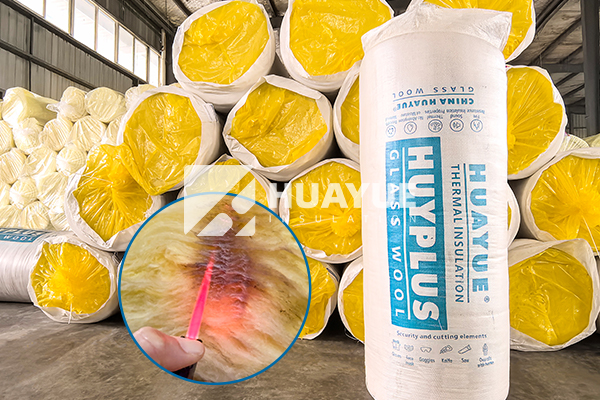
Over the years I have seen how fiberglass performs in real-life fire tests. The core glass material is made from silica sand, glass cullet, or other glass scraps melted down. Glass itself melts at about 1000°C but fiberglass batts will start to lose strength and collapse at lower temperatures (about 500–700°C).
Be aware, though: many fiberglass products include a paper or “kraft” facing that adds moisture control, but these facings are combustible. If you want maximum fire resistance, always specify “unfaced” fiberglass and avoid placing combustible covering anywhere insulation is in a high-heat area.
Fiberglass does not produce significant smoke or toxic gases when exposed to heat compared to plastic foam options. This is one reason I recommend it over cheaper foam insulations for tanks, process equipment, or areas near furnaces where fire risk is present.
Can you use fiberglass insulation around a fireplace?
Homeowners and plant engineers want to save energy and have peace of mind by the fire. Is fiberglass insulation a safe choice near fireplaces?
Yes, you can use unfaced fiberglass insulation around fireplaces, chimneys, or flues, but make sure it does not come into direct contact with hot surfaces. Use a fireproof barrier if required.
Fireplaces and industrial furnaces need extra care because the risk and temperatures are higher than average room environments. In my experience, placing fiberglass too close to a heat source often leads to safety violations during inspection. Codes usually require non-combustible insulation and air gaps.
Most professionals install a “firestop” barrier – for example, cement board or sheet metal – between the insulation and any heating appliance. This ensures the insulation never touches the heat source, even if it shifts or compresses over time.
If the fiberglass has a paper facing or foil vapor barrier, do not use it near a chimney or flue. These layers can catch fire. Always check with local building codes before installing to ensure safe, legal protection.
Is pink fiberglass insulation fireproof?
Pink fiberglass insulation is well-known in homes and commercial sites for its color and energy-saving power. But does the color mean it’s more fireproof?
Pink fiberglass insulation has similar fire resistance as other fiberglass products. The color comes from a dye or binder, not extra fire protection. It is not fully fireproof, but it is very fire-resistant.
The pink color is just a branding choice made by producers. I always explain this to facility managers like Hans who want to ensure they get the safest option. There is no chemical difference between pink and yellow or white fiberglass that affects fire performance.
What matters most is what type of facing or vapor barrier the insulation has. Always choose unfaced fiberglass for the best fire resistance. If you must insulate a high-heat or critical area, ask the supplier for third-party test data and safety certification. At my company, every insulation shipment is verified with certificates from SGS and CE auditors to provide full traceability.
Can fiberglass insulation spread flames?
Workers and engineers ask me: in case a fire breaks out, will fiberglass insulation “carry” the flames through a building?
No, fiberglass insulation does not spread flames. The glass fibers themselves do not catch fire or help the fire move. Only paper or foil facings could burn.
If fire is a serious concern in your building or facility, always request Class A fire-rated insulation. These products are tested for flame spread and smoke development under standard methods. Good fiberglass will not only resist fire but help slow the passage of heat and flames from one area to the next.
To be safe, remember: never install plastic-vapor barriers or foil-faced insulation in places where fire exposure is possible. These additions are more likely to spread flames. Use plain, unfaced fiberglass in high-risk areas, and consider an extra fire barrier if regulations call for it.
Conclusion
Fiberglass insulation is very fire-resistant but not completely fireproof. Always use unfaced, certified products and add strict fire barriers for maximum protection.
You may also be interested in:
Ready to Get Started?
Get in touch with our experts for personalized solutions tailored to your needs.
Get Free QuoteLatest Articles



Should B2B Buyers Choose Mineral Wool Insulation?
Mar 31, 2026

Is Rock Wool a Good Choice for Acoustic Insulation?
Mar 30, 2026
Rockwool Insulation for Roof: Best Practices (2026)
Mar 27, 2026
Let's Work Together
Ready to take your business to the next level? Get in touch with our team of experts and let's discuss how we can help you achieve your goals.
Get Free Solutions