








# Is Fiberglass Insulation Dangerous?
Fiberglass insulation is widely used, but many people wonder if it can put your health at risk, especially if you deal with it on a daily basis.
Fiberglass insulation can be hazardous if handled improperly. The tiny glass fibers can irritate skin and lungs if touched or inhaled. Wearing protective gear and following safety guidelines can greatly reduce the risks.

Many homeowners and engineers ask whether fiberglass insulation is truly dangerous or if it is just misunderstood. I want to show you a practical, real-world perspective on this topic. Understanding how fiberglass can affect your body will help you make better decisions about using it, handling it and keeping your workplace safe.
Can Fiberglass Particles Harm Your Lungs and Skin?
Fiberglass insulation looks soft, but once cut, it releases tiny glass shards. These almost invisible fibers can make your skin itch or cause rashes. If breathed in, fibers can enter your nose and lungs.
Fiberglass particles can irritate your throat, lungs, and airways if inhaled. Short-term effects include coughing, throat irritation, and itchy eyes. Long-term exposure requires careful management to avoid chronic issues.
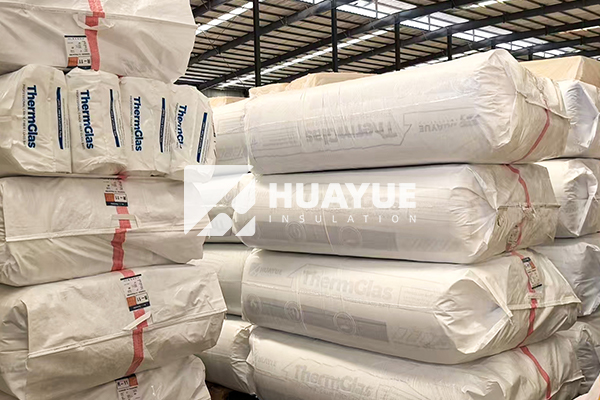
When I handle fiberglass, I notice immediate effects. My skin tingles and itches unless I wear gloves and long sleeves. If I get careless, I cough. I have learned that these fibers float in the air and settle everywhere. Many experts recommend face masks and goggles. The main risk comes from airborne particles. These can go deep into the lungs if you breathe without a mask. Fortunately, most of these fibers do not stay in the body for long. Good ventilation helps keep the air cleaner. Washing exposed skin prevents further irritation. Proper personal protective equipment makes a big difference in safety outcomes.
Here is a table to show fiberglass exposure modes and safety actions:
| Exposure Method | Risk Level | Suggested Safety Equipment |
|---|---|---|
| Skin Contact | Moderate | Gloves, sleeves, coveralls |
| Inhalation | High | Mask/respirator, ventilation |
| Eye Contact | Low/Moderate | Goggles, safety glasses |
| Oral Ingestion | Rare | Hand washing, hygiene |
Does Fiberglass Pose Any Cancer Risk?
The thought of developing cancer from something at work is scary. Many people want clear answers about the long-term risks of using fiberglass insulation every day.
Current research shows fiberglass insulation is not classified as a cancer-causing substance for most people. It is considered safe when used and handled as recommended by health agencies.
Years ago, there was worry about fiberglass fibers causing cancer like asbestos. This confusion still appears in online forums. Studies in recent decades show that fiberglass does not behave like asbestos. Fiberglass fibers do not stay in the lungs or body. Health agencies like the International Agency for Research on Cancer (IARC) removed most fiberglass products from lists of suspected cancer-causing agents. However, using proper ventilation, masks, and equipment is still key. Unprotected exposure should still be avoided just to stay safe.
Below is a comparison table showing fiberglass vs asbestos:
| Material | Classification | Cancer Link | Current Practice |
|---|---|---|---|
| Fiberglass | Not Classifiable (IARC) | Not proven | PPE needed, safe when used correctly |
| Asbestos | Known Human Carcinogen | Proven link | Banned in many countries |
What Rules and Safety Standards Should You Follow With Fiberglass?
Regulations are not only for show. They exist to protect you, your workers, and anyone sharing the project site. Every employer or contractor must stick to certain guidelines.
Most building codes require the use of safety equipment, clear labeling, and proper storage for fiberglass insulation. OSHA and similar workplaces post safety information that must be followed during handling and installation.
I have reviewed many construction and industry rulebooks over the years. The Occupational Safety and Health Administration (OSHA) has a set of safety requirements. These call for training, exposure limits, ventilation, and personal protective clothing. There are details about dust controls and trash removal. You will also find strict standards for residential and industrial work. Contractors and crews who follow these rules help keep everyone safe while keeping liability low. If you are working on industrial sites, always check the latest requirements for your region.
Key rules and precautions:
| Rule or Standard | What It Means For You |
|---|---|
| PPE Required | Must use gloves, masks, goggles |
| Air Monitoring | Regular checks of exposed fiber levels |
| Worker Training | Mandatory safety education for all |
| Proper Labeling & Storage | Insulation kept sealed, labeled for hazard |
How Do You Properly Handle and Dispose of Fiberglass Waste?
You can avoid many health problems if you know how to handle, store, and throw away fiberglass insulation the right way.
Always wear protective gear. Wet down scrap pieces before handling. Seal all waste in bags and label them properly. Dispose of at approved sites following local waste rules.
Handling insulation is more than just putting it in place. Waste must be managed, too. When I renovate, I double-bag cut-offs and sweep up stray fibers right away. Sealing waste is important because trash can be hazardous long after removal. Some municipalities have strict rules around dumping fiberglass. Do not burn or crush insulation waste because this can release even more fibers into the air. If you contract out large jobs, make sure your crew knows the right disposal steps. Eco-friendly options exist now, too. Check if recycling programs are available in your region.
Proper Waste Management Checklist:
| Handling Step | Key Action | Goal |
|---|---|---|
| Gather | Collect all scraps | Avoid airborne fibers |
| Wet Down | Lightly mist with water | Reduce dust |
| Bag & Seal | Place in heavy-duty bag, seal tight | Containment |
| Label | Mark as fiberglass waste | Clear ID |
| Authorized Disposal | Use approved landfill or recycling | Legal, safe disposal |
Are There Alternatives to Fiberglass Insulation That Are Safer?
Some people look for materials that do not cause itching or breathing problems. The insulation market now offers many choices.
Safer insulation alternatives include foam glass, cellulose, cotton, and mineral wool. Each has its strengths and trade-offs, but they may reduce irritation and inhalation risks.
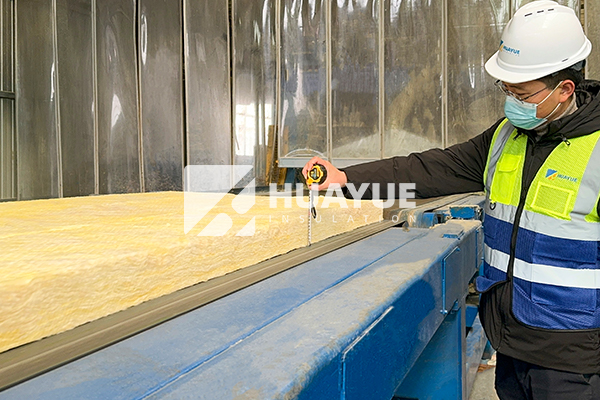
Foam glass, for example, is made from recycled glass. It cannot burn and does not absorb water. Many tank customers pick it for its predictable performance and safety features. Cellulose insulation is made from treated paper. It settles into corners well and poses less risk to hands and lungs. Cotton insulation comes from recycled garments and is easy to touch. Rock wool, also called mineral wool, is made from stone and resists fire and water absorption. When choosing an alternative, review cost, R-value, fire safety, and handling needs. Not every building needs the same solution. The right insulation can improve indoor air and peace of mind.
Alternative Insulation Comparison Table:
| Material | Main Source | Health Risk | Fire Resistance | Water Absorption |
|---|---|---|---|---|
| Foam Glass | Recycled glass | Very Low | High | None |
| Cellulose | Recycled paper | Low | Moderate | Absorbs moisture |
| Cotton | Recycled fabric | Very Low | Low | Absorbs water |
| Rock Wool | Natural stone | Low | Very High | Low |
| Fiberglass | Glass fibers | Moderate if mishandled | High | Low |
Conclusion
Fiberglass insulation is safe when handled properly, but always follow safety standards to avoid irritation and other risks. Consider alternatives if health concerns remain or conditions demand.
You may also be interested in:

Ready to Get Started?
Get in touch with our experts for personalized solutions tailored to your needs.
Get Free QuoteLatest Articles



Should B2B Buyers Choose Mineral Wool Insulation?
Mar 31, 2026

Is Rock Wool a Good Choice for Acoustic Insulation?
Mar 30, 2026
Rockwool Insulation for Roof: Best Practices (2026)
Mar 27, 2026
Let's Work Together
Ready to take your business to the next level? Get in touch with our team of experts and let's discuss how we can help you achieve your goals.
Get Free Solutions