







How to Choose the Right Fiberglass Insulation Company for Your Project?
The struggle to pick the best fiberglass insulation company can feel overwhelming when quality, price, and service all matter for your project’s success.
The best fiberglass insulation company balances certified quality, fair pricing, strong after-sales support, and a proven history of timely, safe delivery. Reliable partners let you focus on smooth project execution instead of daily worries.
When your project’s efficiency, budget, and peace of mind are at stake, choosing the right partner goes beyond a quick online search. I’ll help you avoid missteps and break down what matters most in practical terms, so you feel ready to ask the right questions before you sign that contract.
What Certifications Should a Good Fiberglass Insulation Company Have?
Finding a supplier with the right certifications can seem daunting, especially when so many claim “world-class quality.”
A trustworthy fiberglass insulation company holds ISO 9001, ISO 14001, and ISO 45001 certifications as a minimum. CE and SGS certifications offer additional quality and safety assurance, especially when exporting to global markets.
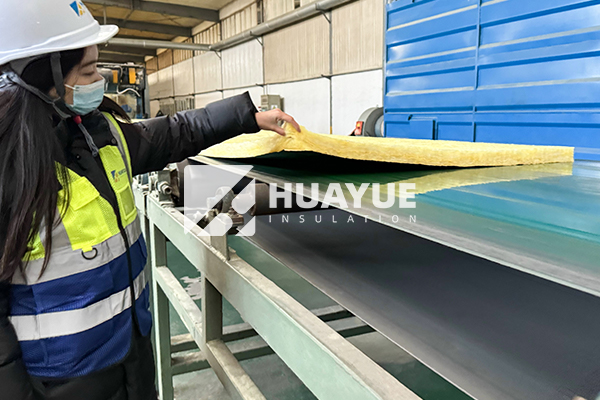
Certification ensures a fiberglass insulation company sticks to global standards for product manufacturing, environmental impact, and worker safety. When I check suppliers, I ask for their certification documents and match them with the latest standards. This helps me stay certain I am buying from a company that values consistency and safety as much as I do.
Here is a quick breakdown of what these certifications mean:
| Certification | What It Proves | Why It Matters |
|---|---|---|
| ISO 9001 | Quality Management | Reliable, consistent products |
| ISO 14001 | Environmental Management | Lower environmental impact |
| ISO 45001 | Occupational Health & Safety | Safer manufacturing workplace |
| CE | European product safety and health standards | Required for EU markets |
| SGS | Third-party inspection and validation | Extra trust and transparency |
If a company lacks these, I personally avoid them, no matter their claims or offers. Certifications are a basic filter to quickly narrow your list of trusted insulation partners.
How Does Location Affect Fiberglass Insulation Delivery and Price?
Distance and shipping difficulties can raise costs and cause delays, turning a simple order into a stressful ordeal.
The factory’s location, especially its access to major ports and highways, directly impacts delivery times and logistics costs. Good companies place distribution centers near customers or major shipping hubs.
I once chose a supplier in a prime industrial cluster close to major ports. This decision made deliveries prompt and predictable, which kept my projects on schedule and helped my team avoid unexpected warehouse costs. Proximity to transportation networks and seaports also lets suppliers offer more competitive global shipping, and a smart buyer will ask for their distribution map or closest warehouse location before signing a contract.
Here is a table of location benefits I consider:
| Location Factor | Supplier Advantage | Customer Benefit |
|---|---|---|
| Near Major Ports | Faster exports | Reliable project delivery |
| Industrial Hubs | Easier truckload dispatches | Flexible shipment options |
| Multiple Branches | Local support and fast supply | Lower inventory risk |
| Strategic Warehouses | Buffer stock for quick orders | Less waiting, more control |
So check the company’s main base, ask about their shipping lines, and see if they have local agents or branches. Good logistics will often save you more than a lower product price.
What Range of Fiberglass Insulation Products Should I Expect?
Without a broad enough choice, your project could get stuck with unsuitable or mismatched insulation.
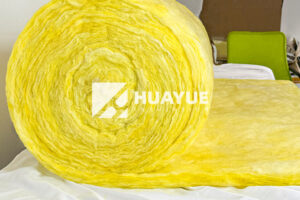
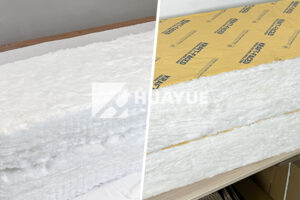
A leading fiberglass insulation company offers a wide selection, including rolls, batts, boards, and custom shapes, designed for walls, roofs, tanks, and pipes.
A real-world example is a project I worked on with both flat roof panels and curved tank surfaces. One supplier could deliver pre-formed pipe insulation and extra-dense roof boards from the same batch, saving me headaches and time. I check product catalogs closely. Most projects need more than one product type, and mixing brands can create compatibility risks and complicate warranties.
Here is a summary table of common fiberglass insulation products:
| Product Type | Typical Application | Key Feature |
|---|---|---|
| Rolls | Attics, walls | Easy to cut, flexible |
| Batts | Framed wall cavities | Pre-cut, fast to install |
| Boards | Roofs, HVAC ducts | Rigid, strong support |
| Pipe Insulation | Piping, tanks | Pre-formed, snug fit |
| Custom Shapes | Tanks, specialty needs | Tailored for each project |
A company with a complete range proves it can solve complex insulation challenges. I usually request technical datasheets for every product my job needs.
How Important Is After-Sales Support and Technical Service?
Even with perfect products, ignoring after-sales service can leave you lost when issues appear.
Top fiberglass insulation firms provide installation guides, training, tech consultations, and responsive support for warranty claims or troubleshooting.
When I faced an installation challenge with awkward tank shapes, my supplier sent detailed fitting instructions and dispatched an engineer to help on-site. Quick, expert support can help you recover from mistakes and avoid extended downtime. I now always ask what services are included “after delivery” — including technical hotlines, onsite help, and replacement parts — before I place a big order.
Let’s look at the table outlining useful after-sales services:
| Service Type | What It Covers | What You Gain |
|---|---|---|
| Tech Hotline | Product specs, install tips | Fewer mistakes |
| On-site Assistance | Complex setups on location | Higher job quality |
| Warranty Support | Fast claims for defects | Less project risk |
| Maintenance Advice | Upkeep and long-term advice | Lower lifecycle cost |
| Spare Parts Supply | Replacements for damage/loss | Less downtime |
Companies who invest in support prove they care about results, not just making the sale.
What Should You Look For in Company Reputation and References?
Not every “top-rated” supplier lives up to its marketing, and choosing wrongly can set your project back by months.
Always check for real references from companies like yours. Good fiberglass insulation suppliers share project case studies and connect you with past customers for feedback.
I once almost signed with a flashy newcomer, only to hear negative reports from an industry peer. Now I trust long track-records, strong case histories, and multiple reviews from established partners. A strong reputation is earned, not given overnight.
See the table below for how I vet company reputation:
| Reputation Checkpoint | Why It Matters | What I Do |
|---|---|---|
| Case Studies | Proof of capability and results | Request detailed examples |
| Reference Contacts | Real user experience feedback | Call at least two companies |
| Longevity | Shows experience, not luck | Prefer 10+ years in business |
| Awards & Recognition | Industry respect and expertise | Look for third-party awards |
References and public project lists give peace of mind before you commit.
Conclusion
Reliability in certification, location, product range, support, and reputation sets great fiberglass insulation companies apart. Careful checks help secure lasting quality and smooth project completion.
You may also be interested in:
Ready to Get Started?
Get in touch with our experts for personalized solutions tailored to your needs.
Get Free QuoteLatest Articles

Should B2B Buyers Choose Mineral Wool Insulation?
Mar 31, 2026
Is Rock Wool a Good Choice for Acoustic Insulation?
Mar 30, 2026
Rockwool Insulation for Roof: Best Practices (2026)
Mar 27, 2026
Let's Work Together
Ready to take your business to the next level? Get in touch with our team of experts and let's discuss how we can help you achieve your goals.
Get Free Solutions