








How long does fiberglass insulation last?
If you worry your building’s energy bills keep rising and comfort decreases, the hidden culprit could be your old fiberglass insulation.
Fiberglass insulation typically lasts 80 to 100 years when installed in ideal conditions, but external factors can reduce its lifespan, requiring replacement every 15–20 years in some cases.
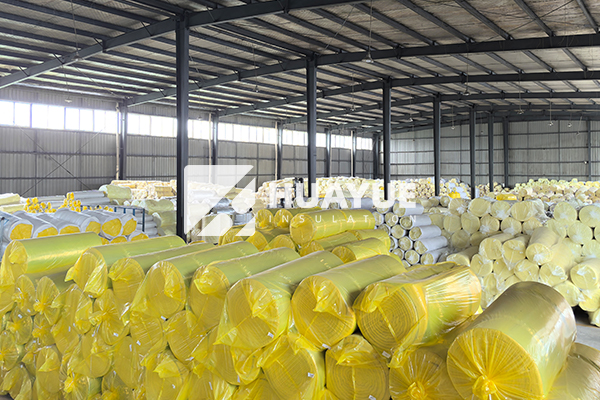
Fiberglass insulation is designed for long-term performance, but real-world conditions often shorten its usefulness. Many factors affect how long it lasts, like moisture, physical damage, and pests. If you start to see drafts, notice higher energy costs, or see exposed insulation that looks damaged, aging might be to blame. If you can catch these signs and act early, you can avoid bigger problems later. In my experience, regular inspection keeps insulation effective and saves you time and money.
How often should fiberglass insulation be replaced?
If you see dust, mold, or sagging insulation, you might need to consider a replacement sooner than expected.
You should check fiberglass insulation every 10 years; it often needs replacement after 15–20 years, especially if there’s water damage, mold, or it looks compressed.
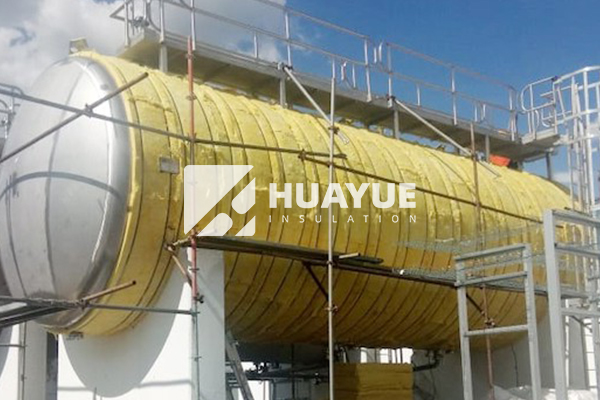
The need to replace fiberglass insulation depends on what goes on inside the building. Large tanks and industrial facilities may have insulation that deals with vibration, steam leaks, and temperature changes. These all shorten the insulation’s life. I have seen some insulation in place for decades that stays in good shape, but other tanks needed insulation replaced after only fifteen years due to leaks. Here’s a simple guide:
| Condition | Replace Now | Replace Soon | Still Good |
|---|---|---|---|
| Wet, moldy | ✔ | ||
| Compressed, sagging | ✔ | ||
| Dusty, minor settling | ✔ | ||
| Even, clean, springy | ✔ |
Checking insulation does not take long, but it can prevent heat loss and safety problems. I always recommend a detailed walkthrough every decade. If you find significant problems, schedule a replacement.
Is 30 year old fiberglass insulation still good?
You may wonder if insulation that has lasted three decades is reliable or needs immediate attention.
Fiberglass insulation can last 30 years if it stays dry and undisturbed, but performance can drop if exposed to moisture, pests, or compression over time. Inspection is key.
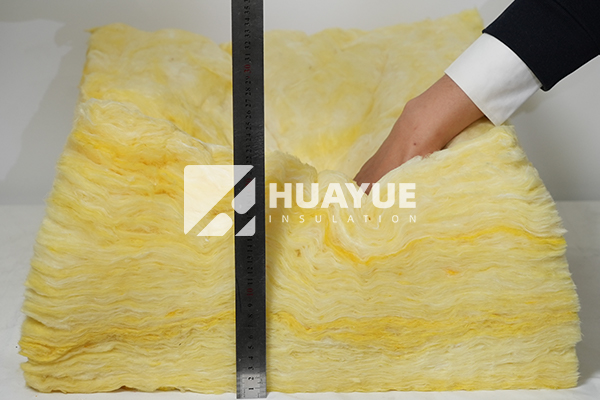
Most fiberglass insulation will survive for decades on paper. But tanks and commercial buildings often see insulation get moved, walked on, or exposed to repairs and accidents. I have checked insulation that’s over 30 years old and, if it looks dry, unbroken, and springy, it often still insulates well. On the other hand, I’ve seen thirty-year-old insulation full of dust, mouse nests, and water stains that needed to be replaced yesterday.
The only way to know for sure is to look—shine a flashlight inside, check for moisture, mold, and compaction. Touch a small patch if possible. Insulation that bounces back and does not crumble or smell odd is usually still good. If you worry about air leaks, putting in new insulation after thirty years brings peace of mind and lower costs in the long run.
How do I know if my fiberglass insulation needs to be replaced?
Are there warning signs before fiberglass insulation fails completely?
You should look for visible damage (sagging, gaps, or discoloration), wet spots, musty odors, dust, or rising energy costs. Any of these signs mean replacement may be needed soon.
Knowing when to get new insulation can be tough, but simple checks can help. I teach clients these steps:
Checkpoints for Insulation Health
| Sign of Trouble | What it Means | Action to Take |
|---|---|---|
| Soggy or moldy patches | Water got inside | Replace right away |
| Flat or missing sections | Lost R-value | Replace sections |
| Pest nests/strong odor | Contamination | Remove and clean area |
| Regular, even thickness | Still performing | Leave as-is |
If you see moisture, tearing, or change in color, insulation may not be stopping heat or cold as it should. Sometimes odd smells mean hidden mold. I have even found pest nests where insulation looked okay from the outside. Routinely looking for these signs keeps tanks, walls, and rooms safe and efficient.
Should I replace 20 year old fiberglass insulation?
Is it always necessary to change insulation just because it is two decades old?
Fiberglass insulation over 20 years old should at least be inspected; replace it if it shows signs of mold, compaction, damage, or lower energy efficiency in the building.
I have helped upgrade tanks that had insulation in place for over twenty years. Some still worked, but many others had hidden problems. Twenty years is a long time for insulation to face steam, vibration, and repairs in industrial plants. Even at home, insulation can get dusty and lose thickness. Start with a full inspection. If the insulation is dry, clean, evenly thick, and still springy, you might get more years out of it.
If you notice indoor temperature swings, high bills, or visible wear, it’s time for a change. New insulation can lower costs, improve safety, and avoid corrosion or damp spots on tanks and pipes over time. I always urge owners to be proactive. Insulation is easier to replace during scheduled maintenance than after a major problem.
Conclusion
Fiberglass insulation can last decades, but real conditions demand regular checks and timely replacements for best results and peace of mind.
You may also be interested in:
Ready to Get Started?
Get in touch with our experts for personalized solutions tailored to your needs.
Get Free QuoteLatest Articles

Let's Work Together
Ready to take your business to the next level? Get in touch with our team of experts and let's discuss how we can help you achieve your goals.
Get Free Solutions