






How is fiberglass insulation made?
Everyone wants their buildings warmer and safer, but without clear knowledge of the materials used, making the right choice feels overwhelming.
Fiberglass insulation is manufactured by melting sand and recycled glass, spinning it into fine glass fibers, then binding those fibers into mats or batts. The process ensures consistent insulation performance across a range of environments.

Understanding the manufacturing process helps customers like me choose the best insulation for their unique needs. I regularly work with maintenance and engineering teams who need reliable solutions for both new construction and upgrades. By learning every step, I am much more confident in recommending materials, especially as insulation must perform well over decades.
How is fiberglass insulation made step by step?
Getting lost in the technical details stops many people from knowing how insulation goes from raw materials to finished product.
Fiberglass insulation is made step by step: raw materials are mixed and melted, glass is spun into fibers, fibers are collected into mats, binders are added, then it is cured and cut to size.

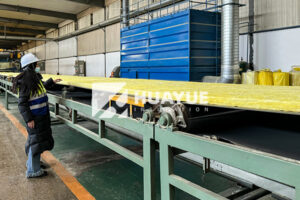
Let me break down these steps in more detail. The process starts with mixing sand, recycled glass, and other minerals together. This mixture goes into a furnace where it is heated up to temperatures around 1,500 degrees Celsius. The heat melts the mixture into liquid glass. Then, this molten glass is funneled into a spinning machine, creating tiny fibers by centrifugal force. The fibers are blown by air onto a moving conveyor belt, forming a fluffy mat. A binding agent is sprayed on these fibers to hold them together. The mat is then passed through an oven (curing oven) to set the binder. After curing, the insulation is cut and shaped into batts, rolls or sheets. Quality control happens throughout the process. This step-by-step method allows for consistency and reliability. When I visit manufacturing plants, watching these stages helps me understand how important both precision and speed are in making top-rated insulation. For detailed comparison and better understanding, see the table below.
| Step | Description |
|---|---|
| Raw Material Mixing | Combine sand, recycled glass, minerals |
| Melting | Heat to ~1,500°C to produce molten glass |
| Fiber Formation | Spin molten glass to create thin fibers |
| Mat Collection | Collect fibers on conveyor, add binder |
| Curing | Oven-bake to set shape and strength |
| Cutting/Packaging | Cut, shape and pack finished product |
What is fiberglass insulation made of?
Customers often hear “glass wool” and think it is all new material, but most wonder what actually goes into it.
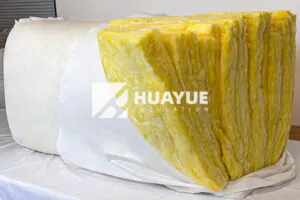
Fiberglass insulation is made primarily from sand, recycled glass, and various minerals. These ingredients are melted and spun into fibers, forming the “wool” that makes up insulation mats.
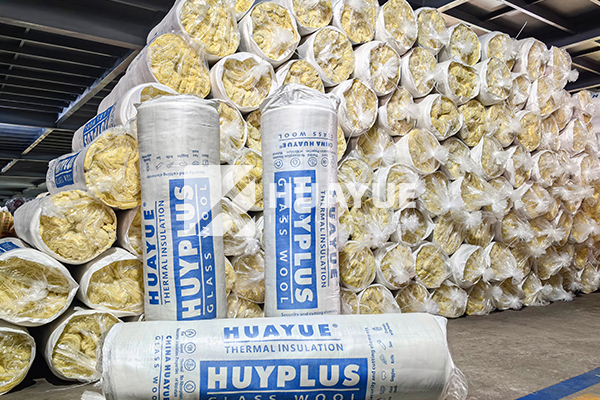
The base component in fiberglass insulation is silica sand. Recycled glass is added to reduce environmental impact and improve melting efficiency. Other minerals help refine the glass, such as limestone and soda ash, keeping melting consistent and clean. Once melted, these raw materials become sticky molten glass. Spinning machines turn the liquid into fine fibers. By combining sand and recycled glass, manufacturers balance sustainability, performance and cost. Each batch has quality controls to check purity and ensure there are no unwanted particles. I have seen how careful selection of raw materials affects the durability and strength of the final product. With global production standards, using recycled glass supports eco-friendly practices and benefits customers concerned about green building requirements. This mix of basic minerals creates insulation that is strong against heat, moisture and pests, making it popular for industrial purposes.
| Ingredient | Function |
|---|---|
| Silica sand | Main source of glass fiber |
| Recycled glass | Eco-friendly, boosts melting efficiency |
| Limestone | Stabilizes melt, strengthens fibers |
| Soda ash | Improves melting process |
| Other minerals | Refines glass, adds key properties |
Can I touch fiberglass wool with my bare hands?
Many customers ask if they can handle insulation during installation without gloves, worried about safety and health.
It is strongly advised not to touch fiberglass wool with bare hands. The tiny fibers can irritate your skin, causing itching, redness, or a rash. Always use gloves and protective clothing.
Fiberglass insulation is made of thousands of thin and sharp fibers. When touched, these fibers can break off and lodge in the skin. This does not cause lasting harm, but it creates discomfort and irritation. I once handled insulation without proper gear and learned quickly that gloves are essential. Workers and installers must wear long sleeves, gloves and sometimes masks to avoid breathing in loose fiber dust. The irritation usually goes away after washing, but sensitive skin can react more strongly. Safety regulations for industrial sites require protective gear during handling. For those working with insulation regularly, these simple protective steps prevent unnecessary workplace issues.
| Protection Type | Why Needed |
|---|---|
| Gloves | Prevent skin irritation and cuts |
| Long sleeves | Keeps fibers off arms and torso |
| Masks | Guards against inhaling fiber dust |
What is the downside of fiberglass insulation?
Every product has trade-offs, and users of fiberglass insulation must know the main negatives before making a final decision.
Downsides include skin irritation, sensitivity to moisture, and moderate load-bearing capacity. Fiberglass is not fully waterproof, can cause discomfort during installation, and is less durable than some alternatives.
There are several common drawbacks to fiberglass insulation. First, the fiber material can cause itching or rashes to whoever handles it. It cannot handle water or vapor as well as foam glass or rubber insulation; exposure leads to reduced performance and possible mold. Fiberglass insulation tends to sag over time if subjected to heavy weight, which means its structural support is not strong compared to rock wool or foam glass. Its fire resistance is good, but it can produce toxic smoke under extreme burning conditions. In my experience, fiberglass insulation sometimes needs regular checks, especially in areas where water leaks are a risk. Long-term exposure to harsh environments may shorten its service life. For those managing tanks or industrial facilities, understanding these limitations is critical for long-term maintenance and repair strategies.
| Downside | Effect |
|---|---|
| Skin irritation | Causes itching and rash on contact |
| Moisture sensitivity | Reduced performance, risk of mold |
| Load-bearing limits | Sags under heavy weight, may fail |
| Fire smoke potential | Can produce toxic smoke in fire |
| Durability | Less robust than some insulation types |
Conclusion
Fiberglass insulation is effective when used correctly, but knowing the details behind its manufacturing, materials, handling safety, and drawbacks makes for smarter choices.
You may also be interested in:
Ready to Get Started?
Get in touch with our experts for personalized solutions tailored to your needs.
Get Free QuoteLatest Articles
Is Fiberglass Insulation Harmful?
Mar 3, 2026
Let's Work Together
Ready to take your business to the next level? Get in touch with our team of experts and let's discuss how we can help you achieve your goals.
Get Free Solutions