








Glass Wool Types: What Should You Know Before Choosing?
Many people struggle to pick the right kind of glass wool for their projects. The wrong choice can lead to lost energy or safety problems.
Glass wool comes in many forms such as batts, rolls, boards, and pipes. Each type is designed for specific uses, including walls, roofs, HVAC systems, or piping. Choosing the right kind ensures better energy saving and project performance.
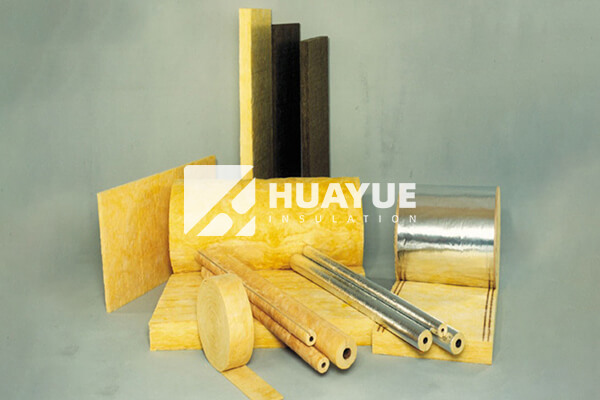
There are more types of glass wool than most people realize. In my own experience selling and working with clients, I often see confusion when it is time to match a product to a real application. I’ll explain what you need to know to help you make a choice that fits your requirements.
What are the different types of glass fibers?
Many people think glass wool only comes in one shape or size. This mistake can limit your options for design and protection.
The main types include loose-fill, batts, rolls, boards, and preformed pipe sections. Each type fits a different project use, such as wall insulation, pipe insulation, or ceiling infill.
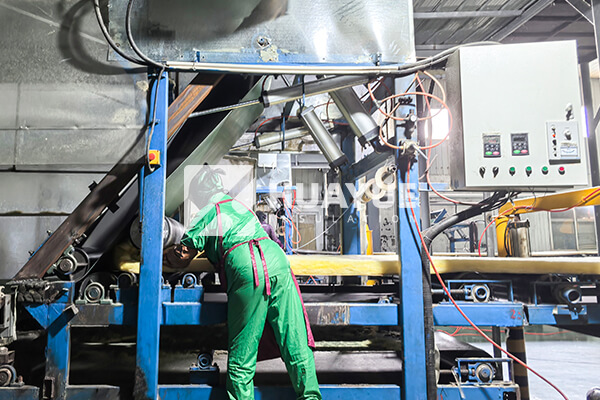
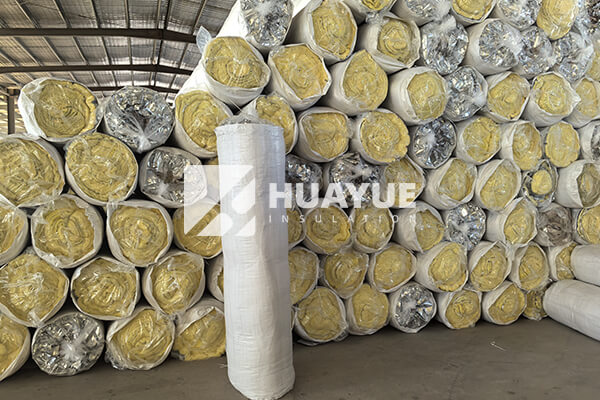
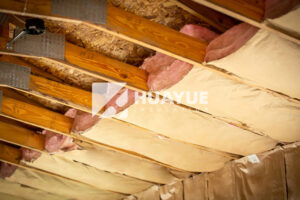
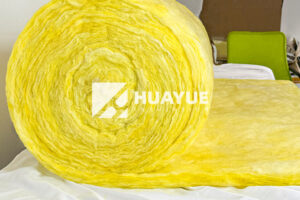
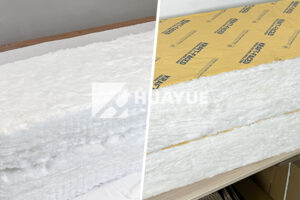
Each type of glass wool is made for a special use. For example, the glass wool boards I supply are dense and stiff, so they’re good for walls, sandwich panels, or industrial projects. Rolls are flexible and ideal for covering wide areas like attic floors or large roofs. Batts are easy to install in stud walls and ceilings. Preformed pipes are made in round shapes to wrap around HVAC ducts and cold or hot pipes, especially in industrial settings. Loose-fill types can fill odd-shaped spaces or cavities. This table will clarify the main groups:
| Type | Structure | Common Application | Example Size |
|---|---|---|---|
| Batt | Flexible/slabs | Wall insulation | 1200x600x50mm |
| Roll | Long/flexible | Attic/roof insulation | 12000x1200x50mm |
| Board | Rigid/stiff | Wall, roof, panel | 1200x600x50mm |
| Pipe Section | Pre-formed tube | Pipe/duct insulation | 1m long, φ48/φ89/φ108mm |
| Loose-fill | Granular/woolly | Filling cavities | Custom bags |
Being able to customize size and shapes is another advantage offered by some suppliers, including myself. It means that whatever your project size or insulation demand, you get a product that fits exactly and wastes less material.
Which is better, ROCK WOOL or glass wool?
Many compare rock wool and glass wool and get confused by conflicting claims from suppliers.
Both rock wool and glass wool are commonly used thermal insulation materials, but glass wool offers a lighter weight, superior flexibility, and often costs less for the same thermal resistance level.
I often get asked which material is better for a project. The answer depends on your needs. Rock wool is made from natural rock and can withstand higher temperatures than glass wool (up to 700°C vs. 400°C for glass wool). This means it suits fire barriers or areas with high heat sources. Glass wool, on the other hand, has excellent sound absorption and is lighter, which makes installation in walls, ceilings, HVAC ducts, and industrial tanks easier. It’s also cheaper, which keeps budgets under control—important for engineers like Hans Müller who need strong performance and cost efficiency.
Let’s see a direct comparison:
| Property | Glass Wool | Rock Wool |
|---|---|---|
| Density | Lower | Higher |
| Max Temp (°C) | ~400 | ~700 |
| Fire Resistance | Non-combustible | Non-combustible |
| Water Absorb. | Low | Lower |
| Sound Absorp. | Very high | High |
| Price | Lower | Higher |
For most chemical, HVAC, or building applications where heat is not extreme, I recommend glass wool, unless specialized fire protection is required.
What is another name for glass wool?
It’s easy to get lost in product terminology when every supplier calls their insulation something different.
Glass wool is also known as “fiberglass insulation.” Engineers and builders often use these terms interchangeably.
Sometimes, customers will ask if glass wool and fiberglass are the same. The answer is yes. They are both spun from molten glass into fiber form. In different markets, “fiberglass” might emphasize the fiber, and “glass wool” focuses on the wool-like mat’s look and feel. These multiple names do not mean that the material properties change. You can trust that specifications and certifications (like ISO or CE) verify the actual performance. Vendors like HUAYUE use both terms, especially when serving global customers who may be more familiar with one name than another.
What are the four types of insulation?
With so many options, people often get overwhelmed trying to pick the “right” insulation, especially for technical projects.
The four main insulation types for buildings and industry are fiberglass (glass wool), rock wool, foam insulation (like polyurethane or rubber), and cellular glass. Each has unique strengths and is chosen for properties like cost, performance, and safety standards.
Most projects I work on use one or more of these four types. You select based on project demands: temperature, fire safety, moisture resistance, and installation complexity. Here’s how they compare:
| Type | Main Use | Key Advantage |
|---|---|---|
| Glass Wool | Walls, roofs, tanks, pipes | Lightweight, cost-effective, fire-resistant |
| Rock Wool | Roofs, walls, fire barriers | Higher temperature resistance, fireproof |
| Foam (PU/PE/XPS) | Pipes, refrigeration, walls | High R-value per thickness, waterproof |
| Cellular Glass | Cryo tanks, pipelines | Moisture-proof, CUI prevention, compressive strength |
If your project needs custom sizes, unique packaging, or full-system support, working with a skilled supplier will help you meet every challenge. I find that offering tailored solutions and logistics support is just as important as product quality.
Conclusion
Glass wool insulation comes in many forms to fit your project. Knowing the basics helps you choose the right solution while saving on cost and time.
You may also be interested in:
Ready to Get Started?
Get in touch with our experts for personalized solutions tailored to your needs.
Get Free QuoteLatest Articles



Should B2B Buyers Choose Mineral Wool Insulation?
Mar 31, 2026
Is Rock Wool a Good Choice for Acoustic Insulation?
Mar 30, 2026
Rockwool Insulation for Roof: Best Practices (2026)
Mar 27, 2026
Let's Work Together
Ready to take your business to the next level? Get in touch with our team of experts and let's discuss how we can help you achieve your goals.
Get Free Solutions