





Glass Wool Fire Rating: How Safe Is Your Insulation?
Factory fires and costly repairs can leave you sleepless at night. Choosing the wrong insulation puts your project, budget, and safety at risk—but can glass wool really protect your facility?
Glass wool insulation is non-combustible, resists high temperatures, and carries a top fire safety rating, making it one of the most trusted solutions for fire protection in modern construction.
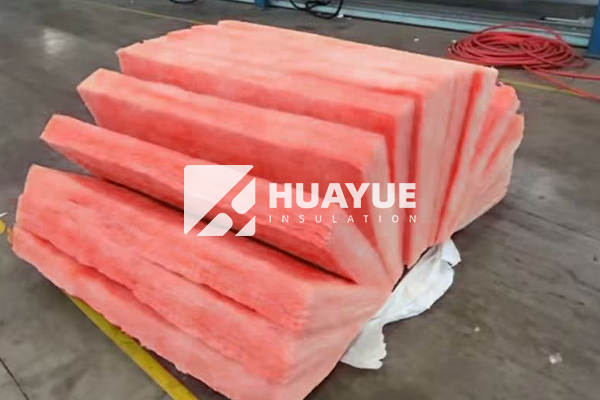
Many manufacturers make bold claims about fire-resistant insulation. I have tested nearly all these materials in real plant projects over the years. I want to explain how glass wool stands out when safety matters most. Are you choosing the right line of defense for your tanks, pipes, or walls? Read on to discover the answers.
Is glass wool flammable?
A sudden blaze can wipe out years of progress in minutes. Too many materials still fail when flames break out. Glass wool puts safety first in these life-or-death scenarios.
Glass wool is not flammable. It is made from melted glass spun into fibers, which means it will not catch fire or fuel a blaze. It is considered non-combustible.
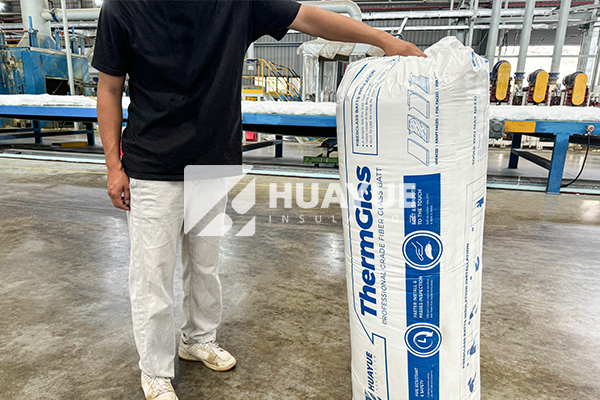
What makes glass wool non-flammable?
Let’s break this down with a simple table:
| Property | Details |
|---|---|
| Material Base | Melted glass (>1,000°C during manufacturing) |
| Combustibility | Non-combustible (Euroclass A1 fire rated) |
| Smoke | Very low smoke production |
| Melting Point | Around 600–700°C (much higher than paper/wood) |
I remember when a facility manager once asked me if glass wool would burn during a tank overhaul. I explained that because glass is the main ingredient, the insulation simply does not ignite. In some fire tests, glass wool even acts as a barrier, limiting fire spread and protecting the structure underneath. It gives precious time for people to evacuate and for emergency crews to act.
Compare this with cheaper foam or plastic-based insulations, which can melt, drip, or even help to spread a fire. Glass wool is trusted in critical sites like chemical tanks, power plants, and data centers—all places where safety is everything.
Is glass wool a good conductor of heat?
Keeping the temperature steady is vital in everything from cryogenic tanks to school classrooms. Poor insulation means wasted energy and climbing utility costs.
Glass wool is not a good conductor of heat. Its interlocking fibers trap air, making it one of the most effective thermal insulators in the industry.
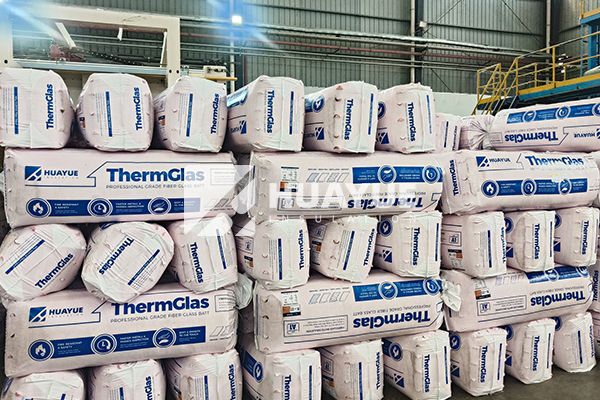
How does glass wool resist heat transfer?
Imagine air pockets locked in between thousands of tiny glass fibers. That is how glass wool works. Here is a quick comparison:
| Material | Typical Thermal Conductivity (W/m·K) |
|---|---|
| Glass Wool | 0.032 – 0.040 |
| Rockwool | 0.035 – 0.045 |
| Steel | 50 |
| Wood | 0.13 – 0.22 |
The closer this number is to zero, the better the insulation. This means glass wool can keep cold air in and hot air out (or vice versa) very well. In a project for a food processing plant, we reduced their cooling bill by almost 40% by switching to high-density glass wool. Over the years, I have seen similar results in warehouses, shipyards, and across industrial storage tanks. Glass wool’s low conductivity is why it is specified for pipelines, HVAC systems, and high-performance building envelopes.
What is the fire rating of glass wool?
Local codes demand strict fire safety. Not all insulation is created equal—and some can put your certification at risk. How does glass wool measure up?
Glass wool typically has a Euroclass A1 fire rating, which is the highest fire safety standard in the industry. This means it is non-combustible and does not contribute to fire growth.
Understanding fire ratings for glass wool
Let’s look at fire ratings in a simple way:
| Standard | Rating | What it Means |
|---|---|---|
| EN 13501-1 (EU) | A1 | Non-combustible—no contribution to fire |
| ASTM E136 (US) | Pass | Non-combustible in major US building codes |
| Smoke Emission | Low | Minimal smoke, making evacuation safer |
When I talk with safety officers or code inspectors, they always point to Euroclass A1 as the benchmark for non-combustibility. This rating means glass wool can be used in escape routes, wall cavities, ceilings, and tank jackets, even in the strictest fire zones. Some projects cannot start without these certifications. Choosing A1-rated glass wool ensures compliance and peace of mind for everyone from plant managers to insurers.
What is the maximum temperature for glass wool?
Many insulations fail at high temperatures or deform when placed near hot pipes or tanks. Glass wool must stand up under harsh industrial conditions.
The maximum working temperature for glass wool is typically 250°C to 450°C, depending on the binder and the type. It will not burn or melt within this range.
Applying glass wool at high temperatures
Not all insulation types can handle hot process lines, smokestacks, or kiln walls. Here’s how glass wool holds up:
| Application | Maximum Service Temperature | Notes |
|---|---|---|
| General glass wool | 250°C–350°C | Standard products |
| Special-grade glass wool | 450°C | High-temp use (special binders) |
I have worked with customers insulating heat exchangers and process tanks that run above 200°C. Unlike many plastic foams, which can degrade or shrink, glass wool stays stable. It maintains its thickness and shape, which is critical for airtight insulation over time. Always check technical sheets for the exact temperature rating. Proper thickness, facing material, and installation method also ensure the insulation lasts its full life.
Which is better, rockwool or glasswool?
Customers often ask me to compare these two rivals. What matters is not just cost, but the right match for the specific application.
Rockwool and glass wool are both mineral insulations and share non-combustibility. Rockwool usually offers higher compressive strength and works best at higher temperatures. Glass wool is lighter and typically more cost-effective for general thermal and acoustic insulation.
Comparing rockwool and glass wool
| Feature | Glass Wool | Rockwool |
|---|---|---|
| Fire Resistance | A1 non-combustible | A1 non-combustible |
| Thermal Conductivity | Slightly lower | Slightly higher |
| Density | Lower | Higher |
| Load Bearing | Moderate | High |
| Weight | Light | Heavier |
| Price | Usually lower | Usually higher |
When I advised a tank contractor on a multi-zone project, we used glass wool for horizontal piping and walls, where lightweight material and cost savings were vital. We switched to rockwool for hot, load-bearing pipe supports. Each material has its place, but for standard applications, glass wool offers fire safety, thermal performance, and best value.
What is the biggest problem with fiberglass insulation?
No product is perfect—even one as popular as glass wool. Knowing the cons can help you plan better and keep workers safer.
The biggest issue with fiberglass insulation is potential skin and respiratory irritation during handling. Tiny fibers can cause itching if precautions are not taken, but proper safety gear solves this problem.
Addressing fiberglass insulation concerns
Here’s what I advise every team:
| Concern | Solution |
|---|---|
| Skin irritation | Wear gloves, long sleeves |
| Inhalation of fibers | Use masks or respirators |
| Installation mess | Clean up with vacuums, not brooms |
| Long-term risk | Modern glass wool is bio-soluble |
I recall a shutdown job where installers skipped gloves and ended up with itchy skin. The fix was simple—always provide safety kits on-site and use pre-cut, foil-faced batts where possible to minimize dust. Modern manufacturing uses improved formulations for less fiber shedding, and certified bio-soluble types reduce long-term health risks. With basic protections, the benefits far outweigh the drawbacks.
Conclusion
Glass wool delivers unbeatable fire protection, reliable thermal performance, and versatility. With simple safety steps, it remains a top choice for safe, energy-efficient insulation.
You may also be interested in:
Ready to Get Started?
Get in touch with our experts for personalized solutions tailored to your needs.
Get Free QuoteLatest Articles



Let's Work Together
Ready to take your business to the next level? Get in touch with our team of experts and let's discuss how we can help you achieve your goals.
Get Free Solutions