








Glass Wool Felt: Everything You Need to Know for Industrial Applications?
Glass wool felt can solve many insulation problems for industrial users, but choosing the right product is not always simple.
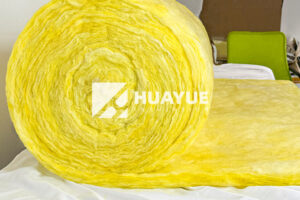
Glass wool felt is an effective insulating material used in many industries for its fire resistance, low thermal conductivity, and ease of installation. It helps keep tanks and pipes at the correct temperature while reducing energy costs.
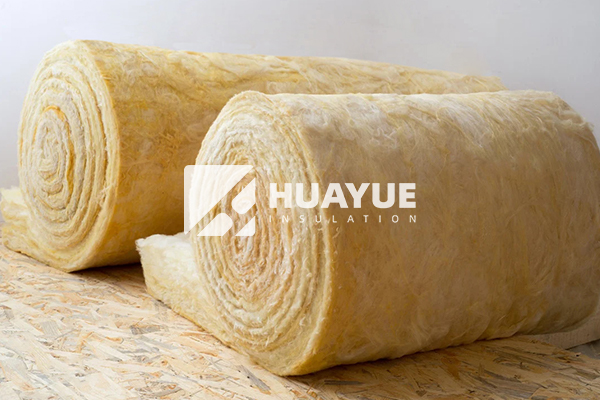
If you are responsible for improving efficiency, performance, and safety in your facility, using the right insulation product can change everything. People do not always realize how important these choices can be until they experience issues such as energy loss or corrosion.
What is glass wool used for?
Glass wool can solve heat loss, noise, and fire protection issues in many environments quickly and efficiently.
Glass wool is used for thermal and acoustic insulation in buildings, industrial tanks, pipelines, and HVAC systems. It keeps heat in or out, controls sound, and helps slow the spread of fire.
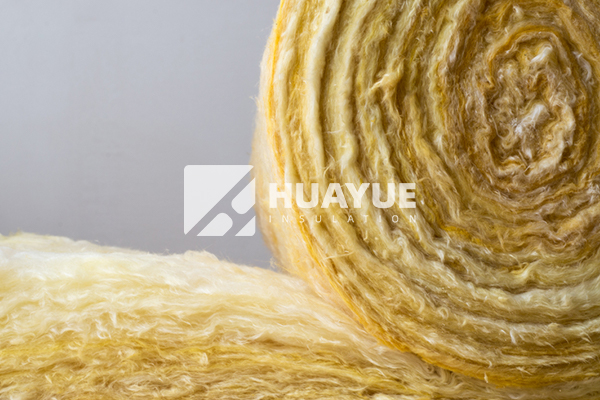
When I visit industrial sites, I often see glass wool felt installed in tanks and walls. Engineers choose it because it is lightweight, flexible, and easy to cut. Its main job is thermal insulation. It works well between -200°C and 450°C. Glass wool contains thousands of tiny glass fibers which trap air. These pockets stop heat from passing through easily. This kind of insulation is also good for soundproofing. It absorbs sound waves, reducing noise inside factories and offices.
I made a simple table to show common uses of glass wool:
| Application | Reason to Use |
|---|---|
| Industrial tanks/pipes | Limits heat loss, prevents condensation |
| HVAC systems | Maintains temperature, dampens noise |
| Roof and wall insulation | Energy savings, fire safety |
| Acoustic panels | Reduces machinery/office noise |
Because it is fire resistant, people trust glass wool when safety matters. It will not burn; it only melts at very high temperatures. Many industries rely on it for reliability and cost-effectiveness. For new installations or upgrades, glass wool felt is always among the top recommendations.
What happens if I touch glass wool?
Glass wool fibers can cause itching, redness, or mild irritation if they touch bare skin.
Touching glass wool may irritate your skin, eyes, or throat. Always wear gloves and protective clothing when handling it to prevent discomfort.
The first time I touched glass wool without gloves, I felt sharp itching on my hands and arms. The fibers are tiny but hard. They can stick to your skin and sometimes cause a tingling feeling. Some people feel like their skin is scratched. If glass wool dust gets in your eyes or airways, you might cough or get red, watery eyes.
Here is a list of what happens if you touch glass wool:
- Skin: Itching and small scratches
- Eyes: Redness and watering
- Throat: Cough or sore feeling if you breathe in dust
Protection is simple. Wear gloves, long sleeves, goggles, and a mask. After handling glass wool, always wash exposed skin and change your clothes. The irritation goes away, but it can be unpleasant while it lasts. Glass wool is not known to cause serious or lasting health problems when used with care. For industrial installations, workers must always follow safety instructions closely.
Which is better, rock wool or glass wool?
Rock wool has higher temperature resistance and better acoustic performance, but glass wool is lighter and usually costs less.
Both materials insulate well, but rock wool works at higher temperatures and absorbs more sound; glass wool is easier to install and more cost-effective.
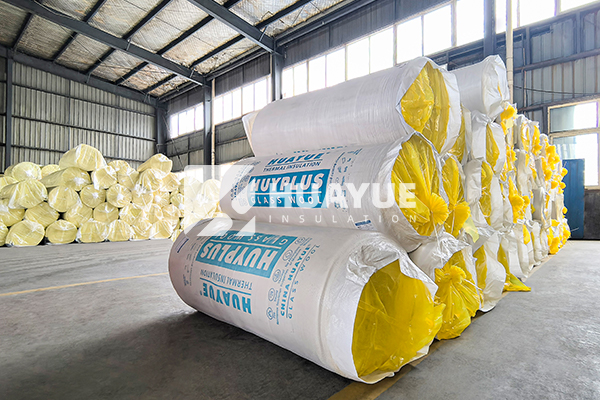
When I compare rock wool and glass wool for projects, I look at four main aspects: temperature range, fire resistance, weight, and cost. Rock wool is made from volcanic rock. It works at temperatures up to 650°C, and its density helps block more sound. Glass wool, made from recycled glass, is usually lighter and covers large areas more easily.
I often decide based on these conditions:
- For very high heat, rock wool lasts longer.
- For big surfaces or tight budgets, glass wool is better.
Here is a simple comparison table:
| Feature | Glass Wool | Rock Wool |
|---|---|---|
| Max temperature | 450°C | 650°C |
| Soundproofing | Good | Excellent |
| Weight | Lighter | Heavier |
| Cost | Lower | Higher |
Most factories use both materials in different areas. In my experience, glass wool suits insulation in tanks, pipes, and walls that do not reach extreme temperatures, while rock wool is better in power stations or hot furnaces.
What happens if glass wool gets wet?
Wet glass wool loses insulation power and can grow mold if left damp and not dried out quickly.
If glass wool gets wet, it does not insulate as well, can slump, and may develop mold. Always dry or replace it to restore performance.
If I find damp glass wool during repairs, I always check for water damage nearby. Water traps heat inside, and soaked insulation cannot hold air like before. That means tanks or walls lose heat more quickly.
Here is what typically happens:
- Insulation power drops fast.
- Mold and mildew risk increases.
- Glass wool gets heavy and may fall out of place.
If wetness is limited and glass wool dries out fully, you can sometimes reuse it. However, in most factories, we replace wet insulation to keep performance high and avoid health issues. Modern glass wool is often treated to help resist moisture, but it is not waterproof. When choosing insulation, I always plan for good vapor barriers and drainage to avoid these problems.
How long does glass wool last?
Glass wool insulation can last more than 30 years if it stays dry, undisturbed, and properly installed.
Quality glass wool remains effective for decades because glass fibers do not rot or decay. Lifespan depends on installation and exposure conditions.
In all my years, I have seen glass wool doing its job even 20 or 30 years after installation. Success comes down to how well it is installed and whether it stays dry and protected. Glass, by nature, is not food for bugs or mold. That means it will not rot or fall apart. Problems usually come from water leaks, physical damage, or people moving the insulation for repairs. Well-maintained insulation keeps saving energy and protecting equipment for the long term.
What is another name for glass wool?
Glass wool is also known as fiberglass insulation; both names mean the same material.
Fiberglass insulation and glass wool both refer to products made from spun glass fibers, used around the world for thermal and acoustic insulation.
Many people in different countries use the term “fiberglass” when describing glass wool. On industry product lists, you might see “glass wool felt,” “fiberglass blanket,” or “glass fiber insulation.” These are all similar. If you see “mineral wool,” it usually means rock wool, not glass wool.
Here is a short list:
| Name Variation | Region or Context |
|---|---|
| Glass wool | Common in Europe, Asia |
| Fiberglass insulation | Common in the USA |
| Glass fiber insulation | Sometimes seen globally |
| Glass wool felt/blanket | Product form |
Next time you compare quotes or specs, double-check the terminology to be sure you are buying the material you want.
Conclusion
Glass wool felt provides reliable, long-lasting insulation for tanks, pipes, and buildings, but good installation and handling are the keys to its full value.
You may also be interested in:
Ready to Get Started?
Get in touch with our experts for personalized solutions tailored to your needs.
Get Free QuoteLatest Articles



Let's Work Together
Ready to take your business to the next level? Get in touch with our team of experts and let's discuss how we can help you achieve your goals.
Get Free Solutions