







Glass Wool Blanket: The Ultimate Guide for Industrial Applications?
Like many professionals, I have found that choosing the right insulation for tanks and industrial systems can be a tough decision. You need it to be safe, cost-effective, and reliable.
Glass wool blankets are one of the most versatile and affordable insulation materials. They offer strong resistance to fire, do not absorb moisture, and suit many custom requirements, which is why global industries rely on them for thermal and acoustic insulation.
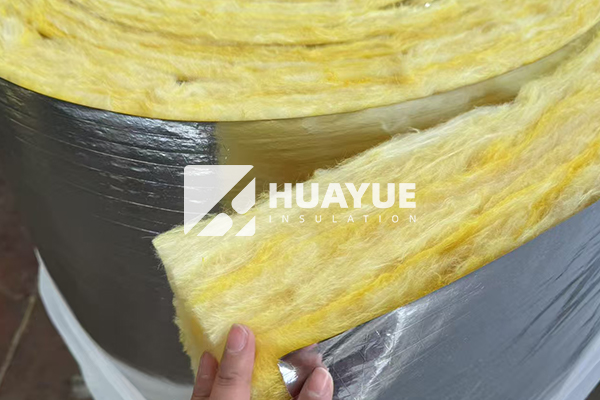
Selecting the right insulation can impact system safety, cost, and maintenance for years. If you feel overwhelmed, you are not alone. I have helped many customers sort through product choices every day, especially when they have to balance technical needs with budgets.
Which is better, rock wool or glasswool?
Many people are unsure whether to use rock wool or glass wool for insulation. The question keeps coming up because both materials have key strengths but behave differently in specific applications.
Between glass wool and rock wool, glass wool is lighter, easier to install, and often more cost-effective, while rock wool has a higher fire resistance and can withstand even higher temperatures. Your choice should depend on your project’s needs: glass wool for thermal and acoustic insulation where weight and flexibility matter, rock wool where extra fire protection or high-temperature resistance is required.
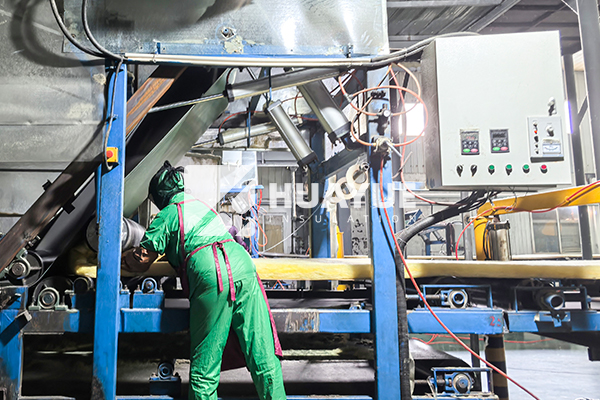
Here is how the two materials compare. Glass wool is spun from molten glass, giving it a loose, fibrous structure. This makes it versatile, flexible, and easy to roll into blankets or cut into slabs. Its density is lower than rock wool, so it puts less weight on structures, which matters in large tanks or places with weight limits. Rock wool, made from basalt rock, has higher density and compression strength, which gives it an edge in situations where strong physical durability is crucial. Rock wool is chosen for applications with fire hazards, as it can withstand more heat without losing its structure, but glass wool does a great job for thermal and acoustic insulation—especially when paired with aluminum foil or custom facings like WMSK.
Different projects require different material specs, such as thickness, inner diameter, or type of facing. I often remind customers that both materials can comply with project needs, but glass wool gives more flexibility with shapes and packaging. If your project aims for a balance of cost, performance, and installation ease, glass wool may be the right choice for you.
| Criteria | Glass Wool | Rock Wool |
|---|---|---|
| Density | Lighter | Heavier |
| Fire Resistance | Good | Excellent |
| Cost | Lower | Slightly Higher |
| Application | Thermal/Acoustic | High-temp, fire zones |
| Customization | High | Moderate |
Can you touch glass wool with bare hands?
It is natural to worry about safety when handling insulation materials. Many people ask if glass wool can cause skin irritation or if they need special protection during installation.
You should avoid touching glass wool with bare hands, as the fine fibers may cause irritation or itching. Gloves, long sleeves, and goggles are recommended when handling the product to keep your skin safe.
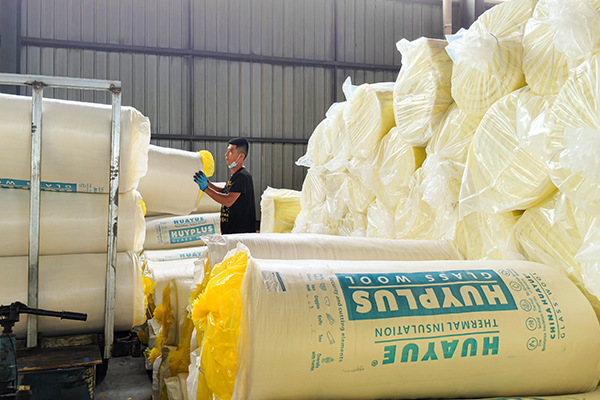
Working with glass wool is easy if you follow some basic rules. The fibers in glass wool are extremely thin and light. They are not harmful like asbestos, but they can stick to your skin or float in the air. When I first worked in the warehouse, I made the mistake of handling a roll without gloves, leading to hours of discomfort. These fibers are too fine to pierce deeply; however, they act like tiny needles on the skin and may cause redness or itchiness until you wash them away. The good news is that the irritation is temporary and will go away with soap and water. For extra care, I suggest using gloves, long-sleeved shirts, and goggles when handling, cutting, or installing glass wool. Masks are a good idea if you work for long periods or in closed spaces, as they help keep the fibers out of your lungs. This small step makes the job safer and keeps your team comfortable throughout installation.
What are the pros and cons of glass wool insulation?
People considering glass wool blankets want to know how the product will perform during real use. They look for real-world experiences, both positive and negative, to make an informed choice.
Glass wool insulation offers excellent fire and thermal resistance, flexibility, and cost efficiency, but can cause skin irritation during handling and is less durable in environments exposed to heavy compression or constant moisture.
The benefits of glass wool can be powerful. First, it provides reliable thermal insulation and greatly reduces heat loss. Its acoustic properties help keep noise levels low in mechanical rooms or factories. Glass wool is also non-combustible, which makes it a safer choice in projects with strict fire regulations. It is resistant to most chemicals and does not absorb water, so it works well in humid or variable environments—especially when paired with facings like aluminum foil for extra moisture protection.
However, glass wool has some limits. If you compress glass wool too much, it may lose its insulation value. It does not carry heavy weight well compared to denser materials like rock wool, so it is not ideal under floors or in areas that get stepped on. While it resists water, it is best used where it will not be constantly soaked over time. Overall, its flexibility and price make it a smart choice for most tank and pipeline insulation jobs, especially those needing custom specifications or quick lead times.
| Pros | Cons |
|---|---|
| Low cost | May cause irritation if touched |
| Excellent fire safety | Not for heavy load applications |
| Customizable | Less durable under high compression |
| Acoustic insulation | Needs care to avoid fibers in air |
Is glass wool expensive?
Budget is always a concern for both new construction and retrofit projects. Teams want to know if glass wool will fit their budget compared to other types of insulation.
Glass wool is one of the most cost-effective choices for industrial insulation, delivering strong performance at a lower price point than rock wool, PIR, or polyiso boards.
I have helped clients source insulation for projects worldwide, from Europe to South America. They are often surprised at the affordability of glass wool blankets, especially when large amounts are required. The manufacturing process allows for high-quality, consistent product at scale, enabling lower costs for every square meter. At HUAYUE, we offer further savings through custom solutions, like different facings, thickness, and packaging, with fast delivery options due to our factory’s size and location near China’s major ports.
But price is only one side. Glass wool’s real value comes from its combination of price, quality, and efficiency. Its insulation power cuts long-term operational costs by reducing energy loss. With fewer maintenance needs and a longer lifespan, projects that use glass wool insulation often see big savings over the years. For Hans and others who need dependable products within budget, glass wool is a practical, cost-saving solution that does not sacrifice quality or safety.
Conclusion
Glass wool blanket insulation is flexible, cost-effective, and safe when handled properly. It strikes a strong balance of performance and price, making it a smart choice for many industrial projects.
You may also be interested in:
Ready to Get Started?
Get in touch with our experts for personalized solutions tailored to your needs.
Get Free QuoteLatest Articles



Should B2B Buyers Choose Mineral Wool Insulation?
Mar 31, 2026
Is Rock Wool a Good Choice for Acoustic Insulation?
Mar 30, 2026
Rockwool Insulation for Roof: Best Practices (2026)
Mar 27, 2026
Let's Work Together
Ready to take your business to the next level? Get in touch with our team of experts and let's discuss how we can help you achieve your goals.
Get Free Solutions