








Foil Backed Fiberglass Batt Insulation: Is It the Right Choice for Your Project?
Many people worry about rising energy costs and inefficient building insulation. Solving this concern starts with understanding what foil backed fiberglass batt insulation offers for modern construction.
Foil backed fiberglass batt insulation combines fiberglass’s proven thermal properties with an aluminum foil facing. This facing reflects radiant heat, helping improve energy efficiency, moisture resistance, and temperature control for walls, roofs, and tanks.
If you want better insulation for your building or industrial tanks, read on. I will explain critical features, benefits, and use cases, helping you decide if it fits your next project.
What Is Foil Backed Fiberglass Batt Insulation and How Does It Work?
Energy bills keep rising and comfort levels are at risk. Finding the right insulation material is key to saving costs and keeping conditions steady.
Foil backed fiberglass batt insulation is fiberglass insulation embedded with a reflective foil layer. It helps reduce thermal loss, block radiant heat, and prevent moisture intrusion—a triple benefit in one material.
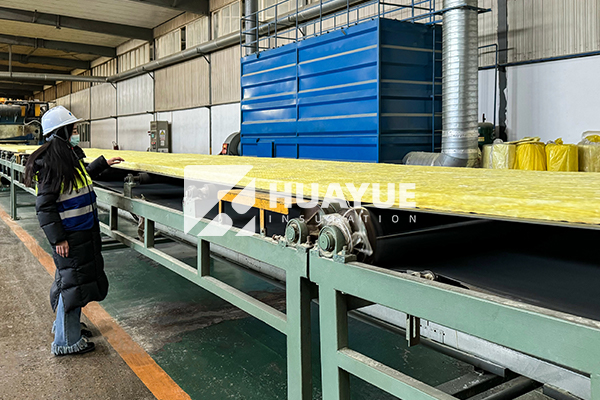
Let’s break this down further. Fiberglass batts are made from molten glass spun into fine fibers, forming a mat that traps air and slows heat flow. Manufacturers then bond a layer of aluminum foil to one side. This foil acts as a radiant barrier. It reflects up to 97% of radiant heat back into your space or away from a building, depending on where you place it. This pairing not only improves insulation values but also protects against vapor transmission and condensation, supporting long-term building integrity. Many industrial clients choose foil backed fiberglass batts for mechanical rooms, process tanks, and cryogenic storage because it delivers consistent results under tough conditions.
Comparison Table
| Feature | Standard Fiberglass Batt | Foil Backed Fiberglass Batt |
|---|---|---|
| Thermal Resistance (R-Value) | Good | Good |
| Radiant Heat Reflection | No | Yes |
| Moisture Barrier | No | Yes |
| Corrosion Protection | Basic | Improved |
| Fire Resistance | Non-combustible | Non-combustible |
What Are the Main Benefits of Using Foil Backed Fiberglass Batt Insulation?
Humidity, poor temperature control, and high maintenance costs cause problems. You want insulation that performs in all conditions, not just ideal ones.
Foil backed fiberglass batts increase energy efficiency, regulate temperature, resist condensation, and protect structures against fire and corrosion for both commercial and industrial applications.
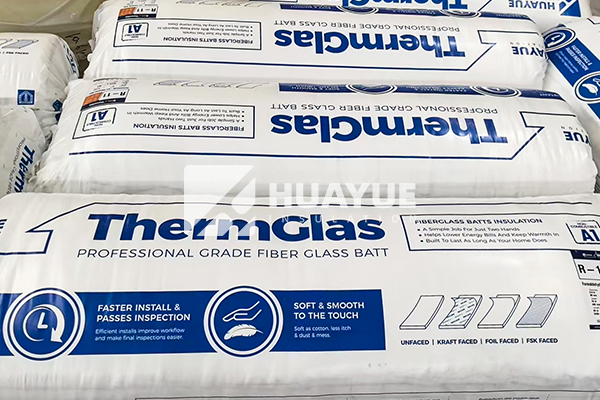
Let’s explore practical advantages. First, the foil facing reflects heat, letting you achieve higher energy savings in hot or cold climates. This helps building owners and plant engineers maintain steady interior conditions and comply with new energy codes. The foil prevents moisture from passing through the insulation, which means less condensation and lower risk of mold or mildew. If you insulate a steel tank, this moisture block also fights against corrosion under insulation (CUI)—a real pain point in the petrochemical industry. Additionally, the fire rating of fiberglass batts gives peace of mind for safety compliance in critical infrastructure. Tough foil surfaces withstand regular handling without tearing easily, so lifetime performance stays high. The result: a system that needs less frequent repair and helps cut operating costs.
Benefits Overview
| Application | Energy Savings | Moisture Barrier | Fire Safety | CUI Prevention | Maintenance |
|---|---|---|---|---|---|
| Residential Buildings | High | Moderate | High | Not required | Low |
| Industrial Tanks/Pipes | Very High | Excellent | High | Important | Very Low |
| Commercial Roofing | High | Excellent | High | Not required | Low |
How Does Installation Affect Performance?
Improper installation ruins even the best insulation products. You need clear guidelines to get full value out of foil backed fiberglass batts.
Correct installation ensures the foil facing sits on the right side—either facing in or out—according to whether you want to reflect heat into or away from your space. Sealing all foil seams is essential to block moisture entry and preserve the vapor barrier, keeping insulation dry and effective long term.
If installers leave gaps, compress batts too much, or tear the foil, performance drops. I learned this firsthand on a recent project where installers rushed. We had to redo sections to fix cold spots and condensation. Manufacturers usually provide step-by-step guides. Key points include cutting insulation to fit snugly between studs or around curves in tanks, taping all foil edges, and avoiding direct compression under cladding. The direction of the vapor barrier (foil) matters: for exterior tank walls, the foil often goes out, while in interior applications, it faces the heated area. This detail cuts down on costly future repairs and ensures clients get the expected lifespan and performance.
What Should You Consider When Selecting Foil Backed Fiberglass Batt Insulation?
The wrong insulation choice can mean wasted money and headaches later. Important considerations prevent regret.
Evaluate thermal resistance (R-value), facing type, thickness, local building codes, fire resistance, and supplier reputation before you order foil backed fiberglass batt insulation.
This process starts with understanding your project’s unique needs. Are you insulating a tank exposed outdoors or a wall inside an office? Tanks may need higher R-values and stronger vapor barriers. Some applications require equal attention to fire safety and ease of installation in tight spaces. Local code requirements for energy savings might push you to thicker, better-insulating batts. I always advise speaking to both the project engineer and the installation crew—sometimes real-world conditions demand small adjustments. Choose suppliers with third-party certifications like ISO, CE, or SGS to guarantee consistent quality. When possible, ask for test reports and project references, especially for industrial jobs. A few minutes spent at the selection stage saves weeks of hassle later.
Where Is Foil Backed Fiberglass Batt Insulation Most Commonly Used?
Many insulation materials sound similar, but each works best in certain places. Knowing this helps you pick the right solution the first time.
Foil backed fiberglass batt insulation works best in tanks, mechanical rooms, ducts, industrial ovens, warehouses, cold storage, and building envelopes where both heat reflection and moisture control matter.
Industrial clients use it widely in process plants for tank and pipe insulation, especially when they worry about condensation and corrosion. Building owners prefer it in attics, walls, and basements to boost energy efficiency. I have seen large cold stores and warehouses benefit from the foil’s dual protection—cutting energy bills and keeping interiors dry. Anywhere humidity or heat radiates through structures, foil backed fiberglass batt performs well. The material’s high compressive strength means it supports pipe and cladding loads without sagging or losing effectiveness. Even for temporary site offices on job sites, it brings fast, reliable comfort and safety.
Common Applications
| Sector | Usage Example |
|---|---|
| Industrial | Tanks, pipes, ovens |
| Residential | Attics, walls |
| Commercial | Roofs, ducts |
| Cold Storage | Freezer rooms |
| Infrastructure | Tunnels, plants |
application scene: foil backed insulation on tank
Conclusion
Foil backed fiberglass batt insulation blends high performance with simple installation. It provides reliable fire, moisture, and energy protection—making it a smart choice for many commercial and industrial jobs.
You may also be interested in:
Ready to Get Started?
Get in touch with our experts for personalized solutions tailored to your needs.
Get Free QuoteLatest Articles



Should B2B Buyers Choose Mineral Wool Insulation?
Mar 31, 2026

Is Rock Wool a Good Choice for Acoustic Insulation?
Mar 30, 2026
Rockwool Insulation for Roof: Best Practices (2026)
Mar 27, 2026
Let's Work Together
Ready to take your business to the next level? Get in touch with our team of experts and let's discuss how we can help you achieve your goals.
Get Free Solutions