








Fiberglass Insulation on Basement Walls: Is It the Right Choice?
A damp, musty basement can ruin comfort and endanger your home’s energy efficiency. How can fiberglass insulation solve these problems and is it actually the best choice for basement walls?
Fiberglass insulation is often used on basement walls to slow heat loss and improve home comfort. It provides decent thermal performance, though homeowners should address potential moisture issues before installing it to avoid mold and damage.
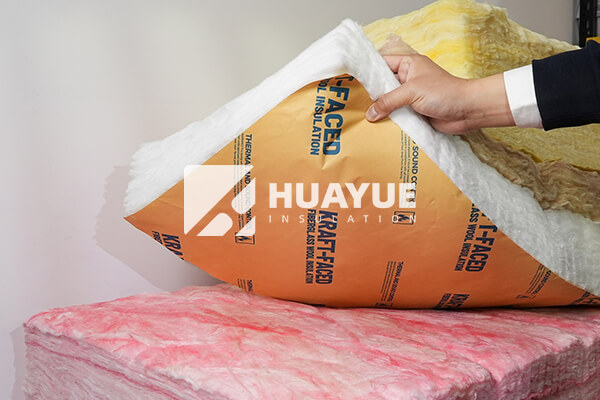
If you insulate your basement walls incorrectly, you risk wasting money and increasing repair costs. But learning the pros, cons, and alternatives of fiberglass insulation lets you make a smart, lasting choice for your basement’s comfort and safety.
Is fiberglass insulation good for basement walls?
Mold and mildew in the basement can make you second-guess your building choices. Fiberglass insulation sells on its reputation for affordability and effectiveness, but is it really good for basement walls?
Fiberglass insulation can offer a quick, cost-effective way to insulate basement walls, but it is not perfect. Moisture control is essential, or else fiberglass may lead to mold growth and material damage.
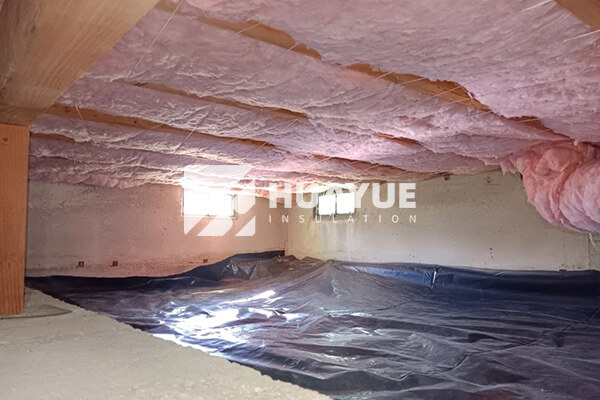
When I test different insulation setups on my own projects, I notice that fiberglass is easy to handle and cheap. But I must not ignore the risks of moisture. Basement walls, especially concrete, will absorb and wick water. If that happens, fiberglass can trap the moisture and create a ripe environment for mold. For a dry basement with good air circulation and vapor barriers, fiberglass can perform well. I compare it to wrapping up in a warm blanket—comfortable when it is dry, but messy if it ever gets wet. Always install a vapor barrier and check for leaks first, or you could face headaches down the line.
| Pros of Fiberglass | Cons of Fiberglass |
|---|---|
| Affordable | Can trap moisture |
| Easy to install | Attracts mold if wet |
| Good thermal value | Needs vapor barrier for success |
Which insulation is best for basement walls?
Looking for the best insulation means balancing cost, safety, and lasting performance. Should fiberglass lead the pack, or is there a better choice for basement walls?
For most basements, rigid foam insulation panels outperform fiberglass in moisture resistance, preventing mold and offering better long-term insulation. Closed-cell spray foam also works well for all-in-one air and moisture barriers.
In my work with renovation teams, I saw many basements where fiberglass failed as soon as moisture crept in. Rigid foam panels, like extruded polystyrene (XPS), handle dampness far better. These panels do not absorb water, resist mold, and provide a solid R-value—even if touched by a little moisture. Spray foam can also be a good solution. It seals cracks, blocks vapor, and insulates in one single layer. The catch is price. Rigid foam costs more than fiberglass, but protects the basement’s structure over time. If you combine comfort, long-term cost, and warranty, rigid foam often wins for below-grade walls.
| Type | Moisture Resistance | Mold Resistance | Cost | R-Value |
|---|---|---|---|---|
| Fiberglass Batts | Low | Low | Low | Medium |
| Rigid Foam Board | High | High | Medium-high | High |
| Closed-cell Spray | Very High | High | High | Highest |
What is the biggest problem with fiberglass insulation?
The promise of cheap, fast insulation sounds good. But a common story among contractors is the problems homeowners face with fiberglass after a few years. What is the biggest problem?
The main problem with fiberglass insulation is its tendency to absorb and hold moisture. This leads to mold, loss of insulation effectiveness, and sometimes damages framing or drywall.
When I check older homes, I see that basement insulation often fails not from poor materials, but from water issues. With fiberglass, any leak or basement humidity lets the fibers soak up water like a sponge. Insulation sags and compresses, which makes it stop working. Worse, wet fiberglass often hides black mold or mildew out of sight, which can threaten health and home air quality. If you are set on fiberglass, you must take extra steps: a strong vapor barrier, careful framing, and regular checks for leaks. Otherwise, you might spend more on removal and repairs later than on the insulation itself.
| Problem | Result | Solution |
|---|---|---|
| Absorbs moisture | Leads to mold | Install vapor barrier |
| Loses insulation value | Wastes energy | Proper installation, inspection |
| Sags or compresses | Drafts and cold spots | Use proper supports |
Should you put insulation on basement walls?
Worried your basement is always cold and costs too much to heat? Insulated walls sound like a cure, but should you do it, and what risks should you watch for?
Basement wall insulation is a good investment for making the space warmer and cutting energy costs. However, controlling moisture and choosing the best material is key to life-long success.
Adding insulation to a basement wall stops heat loss and makes finished spaces much more comfortable year-round. When I improved one client’s older home, we went from shivering in the winter to cozy comfort with much less heat needed. Still, I had to read moisture meters before picking insulation. If the basement stays damp or floods, I recommend against fiberglass. Choose closed-cell spray foam or rigid foam board and always add drainage, seal cracks, and install vapor barriers before starting. A dry, clean wall keeps the insulation stable and healthy for decades. Otherwise, it invites rot, mold, and nasty air quality issues.
| Step | Why It Matters |
|---|---|
| Moisture test | Prevents mold/rot |
| Install vapor barrier | Stops moisture movement |
| Select right material | Long-lasting performance |
Conclusion
Fiberglass insulation can improve basement comfort and efficiency, but only works well if moisture is controlled. Rigid foam or spray foam often provide better, safer results for basement walls.
You may also be interested in:
Ready to Get Started?
Get in touch with our experts for personalized solutions tailored to your needs.
Get Free QuoteLatest Articles


Should B2B Buyers Choose Mineral Wool Insulation?
Mar 31, 2026
Is Rock Wool a Good Choice for Acoustic Insulation?
Mar 30, 2026
Rockwool Insulation for Roof: Best Practices (2026)
Mar 27, 2026
Let's Work Together
Ready to take your business to the next level? Get in touch with our team of experts and let's discuss how we can help you achieve your goals.
Get Free Solutions