








Fiberglass Duct Wrap Insulation: Is It Right for Your Project?
Inconsistent temperatures and energy loss in industrial or commercial buildings often signal poor duct insulation—solving these common headaches can start with rethinking your approach to duct wrap.
You can use fiberglass duct wrap insulation to surround HVAC ductwork, which reduces heat loss or gain and increases overall energy efficiency. It’s a flexible, tested solution applied to rectangular or round ducts to improve comfort and cut operating costs.
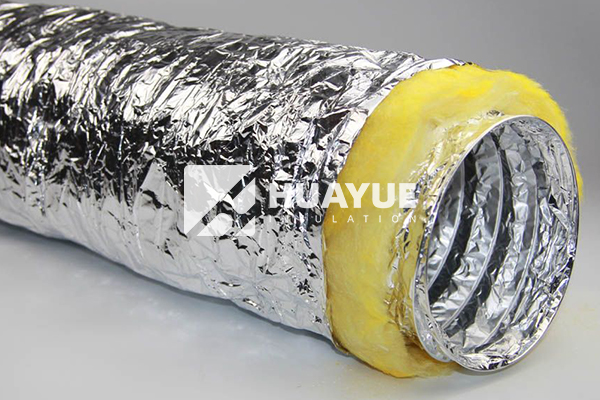
Many building managers overlook poor insulation as a hidden energy drain. Let’s dig into how fiberglass duct wrap solves this, and the challenges and options you need to know before making your choice.
Can You Put Fiberglass Insulation Around Ductwork?
Ducts sweat, lose energy, and pass heat and cold to unintended spaces. This wastes energy and stresses HVAC systems, increasing costs and maintenance headaches.
Yes, you can put fiberglass insulation around ductwork. In fact, fiberglass is one of the most common choices to wrap duct surfaces, both for new installs and retrofit projects. It’s flexible, effective, and compatible with most duct shapes and sizes.
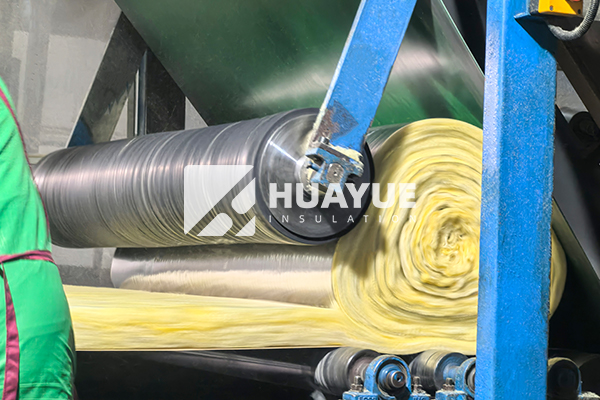
When I walk into a plant where comfort is a challenge and costs are spiking, I often find exposed ductwork. Engineers like Hans Müller look to solutions that are reliable, proven, and practical. Fiberglass duct wrap insulation consists of glass fibers held together by a binder, typically faced with a vapor barrier foil. You install it by wrapping the insulation blanket tightly around the entire length of exposed ductwork, overlapping seams, and sealing each joint with tape or mechanical fasteners.
Here’s a quick table showing common ductwork issues—and how fiberglass insulation tackles them:
| Problem | How Fiberglass Helps |
|---|---|
| Energy loss | Reduces heat flow through duct walls |
| Condensation | Vapor barrier prevents moisture issues |
| Temperature variation | Keeps supply air closer to set points |
| Noise transmission | Muffles vibration and airborne noise |
By controlling temperature swings and condensation, properly wrapped ducts improve HVAC system efficiency, protect building materials, and create a more comfortable workspace. For chemical plants and factories, fiberglass is a straightforward, robust way to enhance insulation performance without big changes to existing systems.
What Is the Biggest Problem with Fiberglass Insulation?
Fiberglass can be dusty, itchy, and can degrade if exposed to moisture over time—these drawbacks can impact installation and longevity.
The biggest problem with fiberglass insulation is its sensitivity to moisture. If the vapor barrier is damaged during installation or over the years, water can enter, reducing insulation effectiveness and potentially leading to mold or corrosion issues within the ductwork.
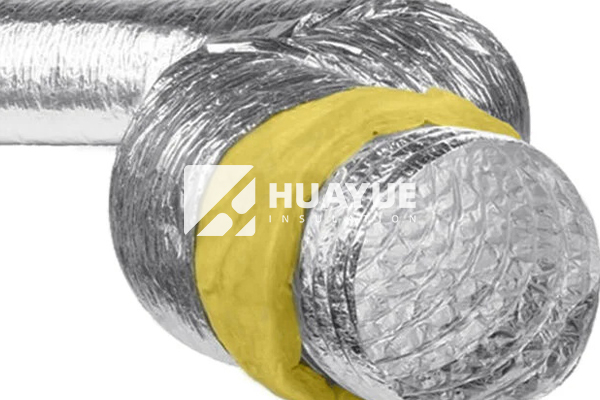
In my experience, especially in humid environments or areas subject to roof leaks or condensation, the integrity of the vapor barrier makes or breaks the fiberglass system. Tears, unsealed joints, or punctures in the facing allow water to get in, which compresses the glass fibers and lowers insulation performance dramatically. This can be a significant issue in high-humidity regions, or wherever insulation systems are subject to mechanical damage or routine maintenance traffic.
Table: Risks With Fiberglass Insulation Systems
| Issue | Consequence | Mitigation |
|---|---|---|
| Vapor barrier damaged | Moisture absorption, mold risk | Careful install, regular checks |
| Poor installation | Gaps, compression, air leaks | Skilled labor, clear protocols |
| Fiber migration into air streams | Indoor air quality reduced | Fully wrap, seal air pathways |
| Exposure to chemicals | Degraded binder, loss of R-value | Use chemical-resistant facings |
For customers like Hans, the lesson is clear: protect the facing, inspect after maintenance, and seal all seams tightly. If that’s not realistic for your operation, consider specialized facings or alternative insulation materials tailored to resist tough plant conditions.
What Is the Best Insulation Wrap for HVAC Ducts?
There’s no one-size-fits-all answer—it depends on your duct location, temperature range, risk of condensation, and budget.
The best HVAC duct insulation wrap is usually fiberglass with a reinforced foil-scrim-kraft or all-foil vapor barrier facing. This balance of thermal performance, condensation control, and fire resistance suits most commercial and industrial ductwork.
Choosing insulation for ducts means looking at more than just “R-value.” For Hans and other plant engineers, the decision is about durability, maintenance, and safety. Fiberglass with high-quality facing is preferred in most settings because it provides:
- Consistent R-value (thermal resistance) in dry conditions
- Good fire safety ratings and low smoke production
- Easy installation on both new and existing ductwork
- Reasonable cost compared to specialized foams or pre-insulated ducts
However, in chemical plants or coastal areas, sometimes enhanced vapor barriers, jacketed insulation, or cellular glass may be better. Here’s a feature comparison:
| Insulation Type | Vapor Barrier | Fire Safety | Mechanical Strength | Cost |
|---|---|---|---|---|
| Fiberglass Duct Wrap | Very good (with foil) | Excellent | Moderate | $ |
| Armaflex (rubber foam) | Excellent | Good | Good | $$ |
| Cellular Glass | Integral, impermeable | Excellent | Very high | $$$ |
| Polyurethane Foam | Variable | Moderate-High | Variable | $$ |
Engineers should always match the insulation system not only to temperature and condensation risks but also to foot traffic, outdoor exposure, and washdown requirements in the plant.
What Is the R-Value of Duct Wrap Insulation?
Fiberglass duct wrap insulation typically delivers R-values from R-4.2 to R-8 per inch thickness, based on product and installation.
The R-value measures how well the insulation resists heat flow—higher numbers mean better insulation. HVAC guidelines usually require duct wrap ratings of at least R-6 or R-8 for most commercial and industrial buildings.
R-values for fiberglass insulation depend on thickness and density. For example, an R-6 rating is common for a 1.5-inch thick wrap, while R-8 might need closer to 2 inches. Hans knows local energy codes can set minimum R-values for above-ceiling or exposed ductwork. Here’s how some thicknesses stack up:
| Insulation Thickness | Approx. R-Value |
|---|---|
| 1 inch | R-4.2 to R-4.5 |
| 1.5 inch | R-6.0 to R-6.3 |
| 2 inch | R-8.0 |
Insulation performance can fall below the stated R-value if the facing is damaged, or the wrap is compressed around supports or fittings. Careful installation and regular visual inspection can keep R-values close to what’s printed on the label. When planning a retrofit or upgrade, it’s wise to review existing conditions and look for code requirements or incentives that reward higher R-value systems.
Conclusion
Fiberglass duct wrap insulation is a proven, flexible choice that cuts energy loss, resists fire, and helps meet code—if you install and protect it carefully.
You may also be interested in:
Ready to Get Started?
Get in touch with our experts for personalized solutions tailored to your needs.
Get Free QuoteLatest Articles
What is R19 Kraft Fiberglass Insulation Batt?
Mar 20, 2026
What is High Density Mineral Wool?
Mar 20, 2026
Is Glass Wool the Best Choice for Sound Insulation?
Mar 19, 2026
Let's Work Together
Ready to take your business to the next level? Get in touch with our team of experts and let's discuss how we can help you achieve your goals.
Get Free Solutions