








Fiberglass Duct Wrap Insulation: Is It Right For Your Facility?
You want your building’s ducts to stay efficient and safe. But picking the right insulation can be confusing without clear answers to key questions.
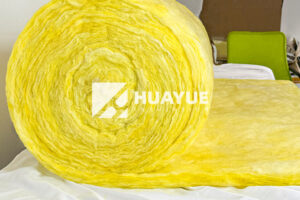
Fiberglass duct wrap insulation is a flexible, fire-resistant material that minimizes heat loss or gain in air duct systems. It’s commonly used to control condensation and improve energy efficiency in both commercial and industrial facilities.
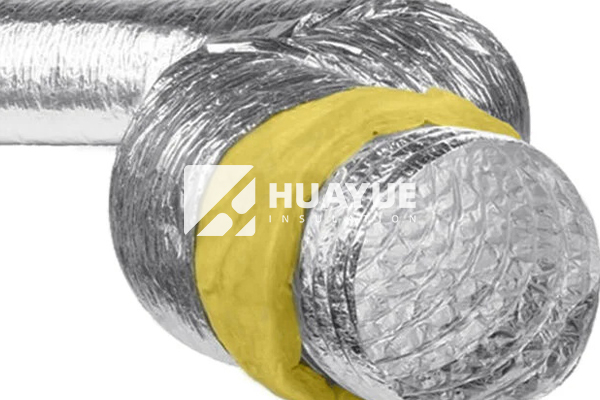
Many engineers wonder if fiberglass is suitable and safe for ductwork. Others want to optimize performance and maintain long-term system reliability. Even with all the options out there, I keep returning to fiberglass wrap for its balance of cost, safety, and durability. Let’s break down the details.
Can you use fiberglass insulation on ductwork?
You want a worry-free option for your duct system. Building codes, performance, and safety often drive your top choices.
Yes, you can use fiberglass insulation on ductwork. It is widely recommended because it resists fire, repels moisture, and provides superior thermal performance—all essential for HVAC and process air ducts in industrial, commercial, and even residential settings.
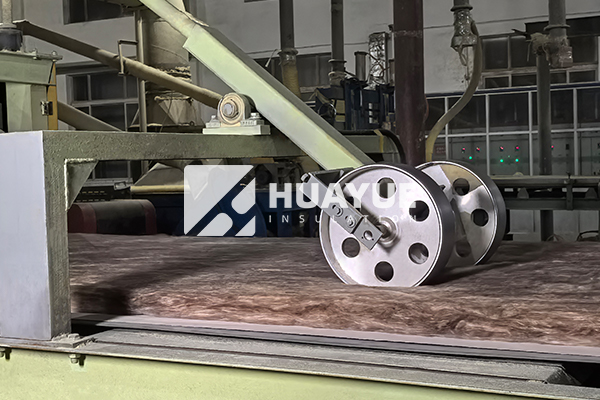
When I plan insulation systems for tanks or large plants, I always ask about code compliance, moisture resistance, and installation speed. Fiberglass wrap ticks all these boxes. The material typically comes with foil or vinyl backing, which helps combat vapor drive and reduces heat transfer. Installation is straightforward—with the right techniques, insulation stays snug over rectangular or round ducts. This is important for controlling condensation and avoiding mold in humid locations. For projects with strict fire codes, I trust fiberglass because it is non-combustible and keeps toxins out of the airflow. In the table below, I compare some characteristics:
| Feature | Fiberglass Wrap | Rigid Board | Foam Board |
|---|---|---|---|
| Flexibility | High | Low | Medium |
| Installation Speed | Fast | Moderate | Moderate |
| Fire Resistance | Excellent | Good | Poor-Medium |
| Vapor Barrier Options | Yes | Yes | Yes |
Sometimes, I face short deadlines or need to insulate complex duct shapes. Flexible fiberglass wrap has always made my work easier, safer, and more reliable in these situations.
Are fiberglass air ducts safe?
Many worry about insulation shedding or air quality. Safe operation is always my highest priority.
Fiberglass air ducts are safe when installed and maintained properly. Modern wraps use high-density fibers and facings, which greatly reduce dusting and particle shedding, ensuring clean airflow and occupant safety.
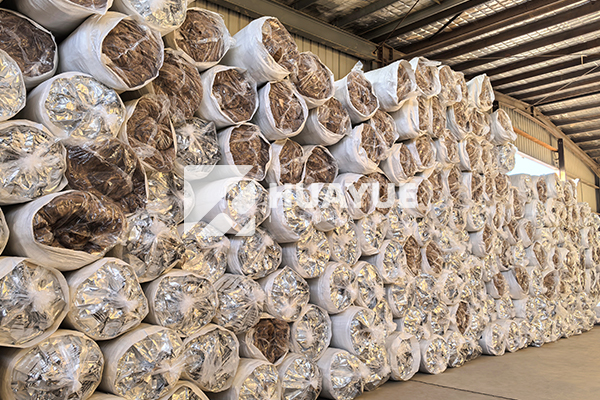
I have worked in environments where indoor air quality must meet strict standards. The key is using high-quality, certified materials and proper installation. Once installed and sealed with approved tapes and adhesives, fiberglass wrap does not release fibers into the air stream. I have never experienced issues with properly installed duct wrap in food plants or public facilities. For extra safety, many products now feature reinforced facings or vapor barriers that are tough and puncture-resistant. Routine inspection and maintenance keep joints sealed and prevent any exposure risk. If repairs are needed, workers should wear protection and seal edges right away. The table below compares safety points for major duct insulation materials:
| Safety Trait | Fiberglass Wrap | Metal Ductwork | Flexible Foam |
|---|---|---|---|
| Fire Safety | Excellent | Excellent | Fair |
| Air Quality Risk | Low | Low | Medium |
| Mold Growth Risk | Low | Low | High |
I always remind clients: choose certified products and don’t cut corners during installation to maintain safe duct systems.
What is the best insulation for ductwork?
There are so many choices. Picking the best insulation requires understanding priorities like energy savings, fire safety, or long-term performance.
The best insulation for ductwork depends on the environment, but fiberglass duct wrap stands out for its fire resistance, thermal efficiency, moisture control, and cost effectiveness in most commercial and industrial applications.
While mineral wool and rigid foam boards appear in some projects, I always appreciate the flexibility, trusted fire safety, and low installed cost of fiberglass wrap. It works for most duct types—rectangular, oval, or round. The key is meeting local building codes and energy efficiency standards. For cryogenic or high-temperature ducts, I sometimes specify mineral wool or foam glass products. Each material has a best-use case:
| Insulation Type | Best Use Case | R-value (per in) | Fire Resistance | Cost |
|---|---|---|---|---|
| Fiberglass Wrap | General HVAC/industrial ducts | 4.0-4.3 | Excellent | Low-Moderate |
| Mineral Wool | High-temp, fire zone ducts | 4.0 | Superior | Moderate |
| Foam Board | Chilled/cold ducts, tight spaces | 5.0-6.0 | Moderate | Moderate |
| Foam Glass | Cryogenic/extreme conditions | 4.0 | Excellent | High |
I always choose materials based on the project’s specific risks and operational needs, but fiberglass wrap remains my default for broad applications.
What are the pros and cons of fiberglass ductwork?
Every material comes with trade-offs. Set your expectations so there are no surprises down the line.
The main pros of fiberglass duct wrap are its fire safety, energy savings, noise control, and ease of installation. The cons include potential fiber release during cutting, need for skilled installers, and occasional concerns about vapor barrier integrity.
I always set out the advantages clearly for plant managers. Fiberglass wrap provides excellent R-value, does not support flames or mold, and keeps ducts quiet. I can usually insulate an entire system quickly, which matters during shutdowns or plant upgrades. The product remains affordable, even for large facilities. Some challenges—the installer needs to take care to seal all joints. In rare cases, poor cuts or unsealed edges can lead to fiber shedding, especially during rough handling. In humid or cold climates, I always specify foil-faced wraps with sealed seams to prevent condensation. For routine maintenance, I train the facilities team to check for damage and reseal joints as needed. Here is a quick breakdown of the main pros and cons:
| Pros | Cons |
|---|---|
| High fire resistance | Can shed fibers if miscut |
| Energy efficiency | Requires skilled installers |
| Noise control | Vapor barrier needs good seals |
| Mold/mildew resistance | Higher compressibility than rigid |
I believe every system requires a thoughtful match between performance goals and insulation type. With good installation and maintenance, fiberglass wrap offers years of worry-free service.
Conclusion
Fiberglass duct wrap insulation remains my go-to for balancing fire safety, cost, and reliable thermal performance in demanding industrial and commercial environments.
You may also be interested in:
Ready to Get Started?
Get in touch with our experts for personalized solutions tailored to your needs.
Get Free QuoteLatest Articles


Should B2B Buyers Choose Mineral Wool Insulation?
Mar 31, 2026

Is Rock Wool a Good Choice for Acoustic Insulation?
Mar 30, 2026
Rockwool Insulation for Roof: Best Practices (2026)
Mar 27, 2026
Let's Work Together
Ready to take your business to the next level? Get in touch with our team of experts and let's discuss how we can help you achieve your goals.
Get Free Solutions