







Fiberglass Batt Insulation Fire Rating: What Should You Know?
If you are worried about protecting your building from fires, understanding insulation fire ratings is essential. Let me break down why fiberglass batt insulation matters when it comes to fire safety.
Fiberglass batt insulation is fire rated but not fire proof. It resists fire, does not burn easily, and can limit fire spread. Its official fire rating depends on the installation method and building code requirements.
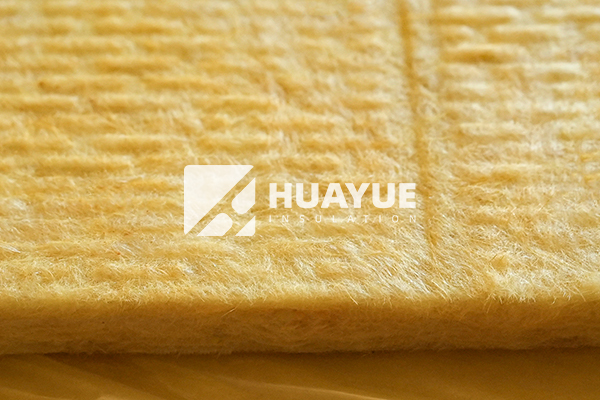
If you are responsible for a facility’s safety like me, you will discover that knowing the difference between “fire rated” and “fire proof” gives you confidence to select the right material. Let me walk you through how fiberglass batt performs under fire and answer your top questions.
Is fiberglass batt insulation fire rated?
If you are choosing insulation, you probably wonder if it can help prevent fires or slow them down. Many people confuse “fire rated” with “fire proof.” The difference matters.
Fiberglass batt insulation is considered fire rated because it does not burn easily and can limit flame spread. It is tested to meet requirements for fire ratings in many building codes but is not fully fire proof.
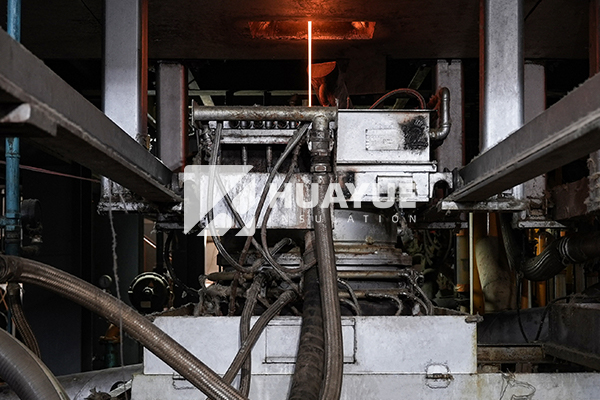
Most people do not know how fiberglass batt insulation actually works when exposed to fire. I have managed several projects where the key factor for fire safety was understanding the material’s composition. Fiberglass is made of spun glass fibers, which have a high melting point—much higher than temperatures found in most building fires. This means fiberglass does not fuel the fire. In fact, when exposed to flames, fiberglass insulation can contain the fire or slow its spread.
Building codes often require products to meet ASTM E84 or EN 13501 classifications. These standards measure flame spread and smoke generation. Fiberglass batt usually earns a Class A rating, meaning it has the lowest flame spread and smoke developed. That rating alone is a green light for many safety teams, but the actual performance can depend on installation, facing materials, and how seams are treated.
Here is a quick summary:
| Property | Fiberglass Batt Insulation |
|---|---|
| Base Material | Spun Glass Fibers |
| Reaction to Fire | Does Not Burn (Melts at 1000°F+) |
| Surface Flame Spread (ASTM E84) | Class A (0-25 Flame Spread) |
| Smoke Developed (ASTM E84) | Low (0-50, Class A) |
| Code Compliance | Meets UL, ASTM, EN classifications |
| Is it Fire Rated? | Yes |
| Is it Fire Proof? | No |
When I explain these details to customers or safety officers, they often ask how it protects personnel and assets in real emergencies. The short answer: it gives valuable time for evacuation and reduces the chance of a fire growing rapidly.
Is batt insulation fire proof?
Fire safety rules can be confusing. Many people think “fire proof” means something will never be damaged by fire. In reality, almost no construction material is truly fire proof.
Fiberglass batt insulation is not fire proof. It is fire resistant. It will not burn but can melt if the temperature is extremely high. For most fires, it slows down smoke and flame spread.
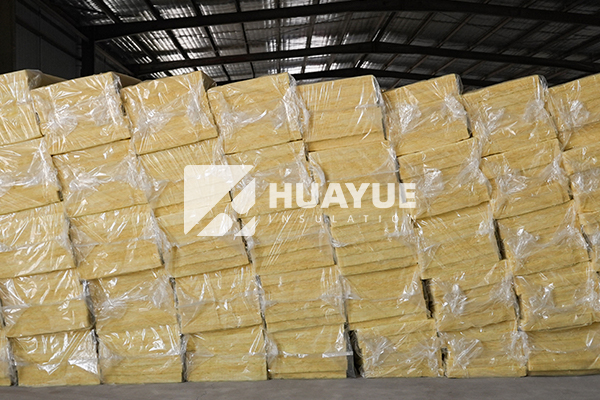
I’ve worked with maintenance teams and fire safety experts who needed to know exactly what “fire proof” means. Fiberglass itself resists combustion because glass melts at temperatures above 1000°C (about 1800°F). Most house or facility fires never reach that temperature, which means that fiberglass does not burn or release much smoke.
However, real fire emergency situations can expose insulation to multiple hazards. Facings, adhesives, or wrappers on batt insulation may be made of paper or foil. Those parts can burn or degrade much faster. The batt itself will remain intact, holding its shape, and acting as a barrier for flames for a period.
Here is a table that compares batt insulation materials:
| Insulation Material | Is it Fire Proof? | Main Reaction in Fire |
|---|---|---|
| Fiberglass Batt | No | Melts, holds shape, resists |
| Mineral Wool Batt | No | Does not melt, resists |
| Foam Board | No | Burns, melts |
| Cellulose Batt | No | Burns, smokes |
So, in short, always check facing and installation. True fire proofing comes from combining fire resistant materials with good construction practices.
What is the fire rating of Fibreglass insulation?
Fire ratings are not the same from one product to another. You need to know what standards matter for your specific building or tank.
Fiberglass batt insulation usually meets Class A ratings for flame spread and smoke development, meaning it is highly fire resistant. Check local building codes for accepted standards.
Fiberglass has a very low flame spread index. For example, under ASTM E84, which is a common fire test, fiberglass batt typically gets a 0 to 25 score for flame spread—Class A. This qualifies it for most commercial and industrial applications requiring strict fire safety.
Fire rating numbers can look confusing. Here’s how they break down in easy terms:
| Standard | Rating Achieved by Fiberglass Batt | What It Means |
|---|---|---|
| ASTM E84 (Flame Spread) | 0–25 (Class A) | Highest fire resistance |
| ASTM E84 (Smoke Developed) | 0–50 (Class A) | Minimal smoke production |
| EN 13501-1 (Euro Class) | Euroclass A1/A2 | Non-combustible/limited |
| UL 723 | Class I (non-combustible) | Approved for safety zones |
Manufacturers publish fire ratings, which are based on certified lab testing. That rating is only valid for the insulation itself, not the facing. In my experience, always check if your local codes require facing to be fire rated as well.
Is fiberglass batt insulation a 1 hour fire rating?
Many architects and engineers want insulation to contribute to a “1 hour fire rating” for walls or partitions. But insulation alone does not give this rating. It is part of the assembly.
Fiberglass batt insulation, by itself, does not grant a 1 hour fire rating. The 1 hour rating comes from the entire wall or floor assembly meeting code requirements.
This is a common point of confusion. Let me explain. The “1 hour fire rating” is given to a complete system—two sheets of drywall, insulation, seals, and metal studs, for example. The whole system must pass a fire resistance test (usually ASTM E119 or UL 263) in a laboratory. Fiberglass batt insulation contributes to the assembly’s performance by slowing flame and smoke spread, but it cannot provide a fire rating on its own.
Here is a simple breakdown:
| Fire Rating (Wall Assembly) | Does Insulation Alone Qualify? | What Else is Needed? |
|---|---|---|
| 1-hour Fire Rating | No | Fire rated drywall, studs, assembly |
| 2-hour Fire Rating | No | Double drywall, full tested assembly |
| Fiberglass Batt Only | No | N/A |
So, always check the specified assembly in construction documents. Make sure all components are qualified and installed to code to achieve a rated barrier protection.
Conclusion
Fiberglass batt insulation is fire rated, highly fire resistant, but not fire proof or by itself a full 1-hour rated barrier.
You may also be interested in:
Ready to Get Started?
Get in touch with our experts for personalized solutions tailored to your needs.
Get Free QuoteLatest Articles


Should B2B Buyers Choose Mineral Wool Insulation?
Mar 31, 2026
Is Rock Wool a Good Choice for Acoustic Insulation?
Mar 30, 2026
Rockwool Insulation for Roof: Best Practices (2026)
Mar 27, 2026
Let's Work Together
Ready to take your business to the next level? Get in touch with our team of experts and let's discuss how we can help you achieve your goals.
Get Free Solutions