








Does Fiberglass Insulation Contain Asbestos?
Many people worry about insulation safety. Poor choices can risk your health and damage your home.
No, fiberglass insulation does not contain asbestos. Fiberglass insulation is made from sand and recycled glass spun into fibers. Asbestos, a mineral once used for fire resistance, is not an ingredient in fiberglass insulation.
Some older homes have concerns about unknown insulation materials. Many want to know if their fiberglass has asbestos. Some wonder if the age or color of their insulation changes the answer. Recognizing the type of insulation in your home helps you make safe choices. I explain how to check and what to do if you suspect a problem.
How do I tell if my fiberglass insulation has asbestos?
Finding unknown insulation in your home can be scary. You might worry about past repairs or the age of your building.
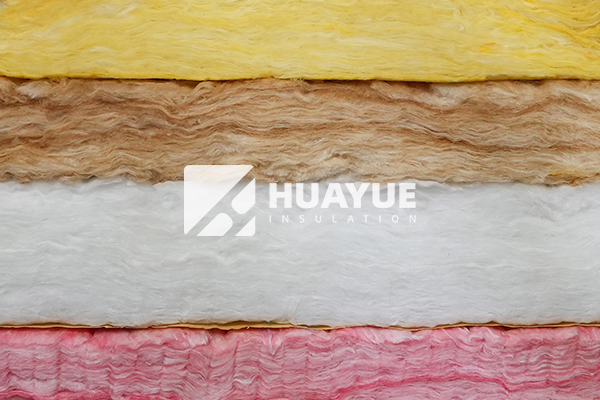
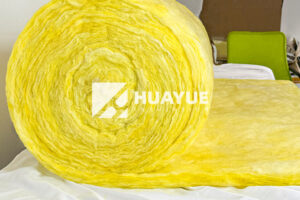
You can tell if your insulation is fiberglass by its appearance—fiberglass looks fluffy, is usually pink, yellow, or white, and does not have paper backing with printed warnings about asbestos. Asbestos insulation usually appears as grey or brown, more compact, and not fibrous. If your home was built after the mid-1980s, it is unlikely to contain asbestos insulation.
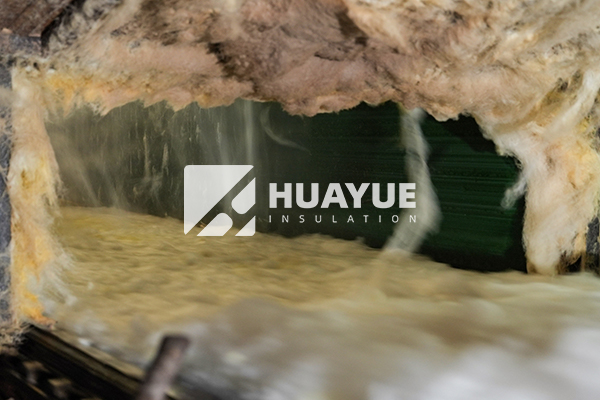
You may want more evidence. I advise checking the product’s color and texture first. Most fiberglass insulation looks like loose, light fibers, not compact pellets or hard panels. Read any labels if they exist. If you find old insulation and cannot be certain of its origin, never disturb it. Sampling asbestos yourself risks exposure. If you are still concerned, call an expert. Certified professionals collect samples safely and test for asbestos content. Sometimes, insulation with asbestos was mixed with other materials. Be cautious with pipe wrap, rigid panels, or grey blanket insulation, especially before 1985. Use the table below to help compare some common insulation types and risks.
| Insulation Type | Color | Texture | Risk of Asbestos | Notes |
|---|---|---|---|---|
| Fiberglass Batts | Pink, yellow, white | Fluffy, soft | None (modern) | No asbestos used after 1980 |
| Loose-fill Cellulose | Grey | Powdery, granular | Possible (old) | Check for era |
| Vermiculite | Brown, gold | Pebbly, granular | Possible (old) | Often contains asbestos |
| Asbestos Blanket | Grey, white | Compact, dense | High (pre-1980s) | Should be tested |
Should I remove old fiberglass insulation?
Old insulation may seem worn or dirty. You might worry it is unsafe or spreading dust.
It is not necessary to remove old fiberglass insulation unless it is wet, moldy, heavily damaged, or no longer insulating well. Fiberglass does not contain asbestos. Removing it for fear of asbestos is usually unnecessary if you confirm its identity.
Sometimes you find insulation that has slumped, is contaminated, or lost its power to keep your home warm. In this case, I recommend removal and replacement. Water damage or mold is the most common reason. Age alone is not a reason to remove insulation, unless it is underperforming. Some older homes have layers of different insulation materials. In renovation projects, if you see a mix of old and modern materials, always check the suspicious layers carefully. If you ever find insulation that seems odd—for example, grey, rock-like, or powdery—leave it untouched and call a specialist. Most fiberglass insulation from the past 40 years is safe. Upgrading old insulation often improves comfort and energy bills without raising health concerns. Below is a quick checklist to help you decide about removal:
| Condition | Remove? | Reason |
|---|---|---|
| Wet or moldy | Yes | Health risks, loss of insulating value |
| Damaged by rodents | Yes | Contamination, odor, nesting |
| Slumped or compressed | Sometimes | Lower performance, comfort issues |
| Mixed with unknown layers | Maybe | Test before disturbing |
| Age alone | No | Fiberglass stays safe unless contaminated |
Is fiberglass insulation hazardous to your health?
Many people ask if breathing near fiberglass is risky. You may wonder if its tiny fibers harm your family.
Fiberglass insulation is generally safe when left undisturbed. It can irritate skin, eyes, and lungs during installation. Wearing gloves, masks, and long sleeves reduces risk.
Fiberglass is made of glass spun into tiny fibers. When handled roughly, it releases microscopic strands. Sometimes, these can cause redness, itching, or sneezing. Usually, this irritation goes away quickly with washing and fresh air. I always tell people to use basic protective gear. Many professionals prefer using a dust mask and gloves. The long-term risk is very low. Scientific studies show fiberglass fibers do not cause cancer like asbestos. Regulations since the 1990s made sure manufacturing is safer. Properly installed fiberglass insulation is sealed behind walls or roof panels. You do not touch it in daily life. The table below shows simple tips to limit irritation:
| Protective Action | Effect |
|---|---|
| Wear gloves | Prevents skin irritation |
| Use a dust mask | Stops inhalation of loose fibers |
| Cover arms and legs | Reduces contact, itchiness |
| Wash hands & face | Removes stray fibers quickly |
Is it safe to be around exposed fiberglass insulation?
Sometimes you see exposed insulation when repairing attic wiring or changing pipes. You may wonder if you should worry.
It is safe to be around exposed fiberglass insulation for short periods, as long as you do not touch, move, or disturb it. Contact may cause minor irritation but no serious health concerns.
When I work near exposed fiberglass insulation, I never panic. Short exposure is not dangerous. The main worry is getting fibers on your skin or in your nose. Some people are sensitive and itch more than others. If you have children or pets, covering the insulation with panels or sheeting is wise. In public buildings, exposed insulation rarely causes problems, as codes require it to be sealed. I suggest restricting access to areas with exposed insulation to limit accidental bumping or play. Fiberglass insulation is not like asbestos or toxic materials. Most problems come from rough handling. Here is a summary comparing risk:
| Material | Risk When Exposed | Symptoms | Long-Term Effects |
|---|---|---|---|
| Fiberglass | Low (short-term) | Itching, sneezing | None |
| Asbestos | High (any contact) | Lung disease, cancer | Serious |
| Cellulose | Low | Dusty air | None |
Conclusion
Fiberglass insulation does not contain asbestos. It is safe if undisturbed, and basic protection prevents irritation when handling exposed insulation.
You may also be interested in:
Ready to Get Started?
Get in touch with our experts for personalized solutions tailored to your needs.
Get Free QuoteLatest Articles



Should B2B Buyers Choose Mineral Wool Insulation?
Mar 31, 2026

Is Rock Wool a Good Choice for Acoustic Insulation?
Mar 30, 2026
Rockwool Insulation for Roof: Best Practices (2026)
Mar 27, 2026
Let's Work Together
Ready to take your business to the next level? Get in touch with our team of experts and let's discuss how we can help you achieve your goals.
Get Free Solutions