








Can Mold Grow in Fiberglass Insulation?
Mold growth in building materials can threaten both air quality and structural integrity. Keeping your insulation safe is important.
Fiberglass insulation does not support mold growth itself, but it can harbor mold if exposed to moisture and organic debris. If you notice a musty odor or visible staining, inspect for moisture intrusion.
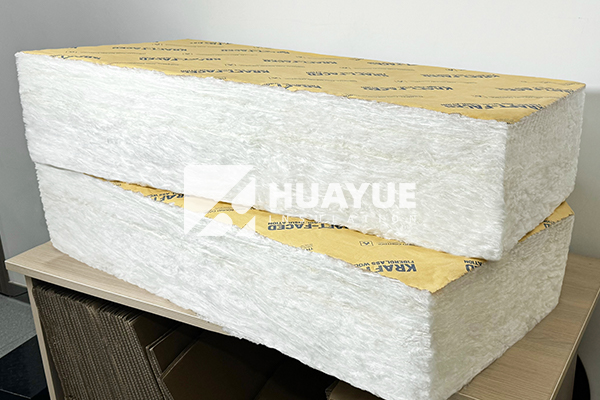
Moisture control is the key to preventing mold. I always check for leaks or condensation around insulation, especially near plumbing or HVAC areas. That extra care avoids headaches later. Let’s look deeper at common questions people ask about fiberglass insulation and mold.
Should Moldy Insulation Be Removed?
Ignoring moldy insulation can lead to health problems and damage. I have seen facilities neglect this, only for costly repairs later.
Moldy insulation should always be removed and replaced because mold affects air quality and insulation performance. Damaged sections must be disposed of according to local regulations.

If I find mold in insulation, I assess the affected area. Mold spores travel and can colonize hidden sections of the wall or ceiling. Removing just the visibly affected portion is not enough. Mold weakens insulation—reducing its thermal efficiency and encouraging further decay. Removal means cutting out all contaminated fiberglass, using protective gear, and sealing the space to prevent airborne spread. After that, I sanitize the cavity, dry it thoroughly, and install new insulation. Professional remediation sometimes becomes necessary when the damage is extensive or the presence of hazardous mold species is confirmed. Proper disposal involves using sealed bags and following local regulations. Skipping steps leads to long-term problems.
What Are the 10 Warning Signs of Mold Toxicity?
Often, early warning signs go unnoticed. I always remind my colleagues to watch for changes at work and home; it keeps everyone safe.
The 10 warning signs of mold toxicity include headaches, coughing, eye irritation, sneezing, fatigue, respiratory distress, sinus congestion, skin rashes, memory problems, and chronic sore throat.
When I experience these symptoms after spending time near tanks or insulation, I look for possible mold sources. Mold exposure can be serious, especially for those with allergies or immune issues. Here’s a clear breakdown:
| Symptom | Description |
|---|---|
| Headaches | Persistent, unexplained |
| Coughing | Dry or productive |
| Eye Irritation | Redness, itching |
| Sneezing | Frequent, often with nasal drip |
| Fatigue | Consistent tiredness |
| Respiratory Distress | Shortness of breath |
| Sinus Congestion | Pressure, stuffiness |
| Skin Rashes | Itchy or inflamed patches |
| Memory Problems | Difficulty concentrating |
| Sore Throat | Lasts more than a few days |
I encourage regular air testing and medical consultation if these signs persist. Sometimes, symptoms appear in clusters. Document and discuss with facility safety teams to identify possible mold hazards quickly.
How Do I Know If I Have Mold in My Insulation?
Detecting mold early can save money and protect health. I learn from experience that visual inspection and using simple tools is best for non-experts.
To identify mold in fiberglass insulation, look for discoloration, musty smells, condensation, or visible stains. Infrared cameras or moisture meters help detect hidden moisture.
Checking insulation for mold starts with using your eyes and nose. Staining (brown, green, or black), crumbling material, or odd odors point to problems. If insulation feels damp to the touch, suspect moisture and possible mold. I sometimes use an infrared camera to scan tank surfaces for cold spots, which indicate trapped moisture. Moisture meters also help, especially near pipes or exterior walls. Gently pulling back insulation—while wearing gloves and a mask—reveals if there is obvious mold. However, mold can grow on the surface of her insulation batts or behind vapor barriers. Spot checks are useful during yearly maintenance. When in doubt or if conditions seem serious, tests from professionals confirm contamination. Quick detection leads to quick action.
How to Remove Mold From Fiberglass Insulation?
Safe removal keeps everyone healthy. Over the years, I have refined my method to avoid cross-contamination and maintain system performance.
To remove mold from fiberglass insulation, wear protective gear, seal off the area from airflow, remove affected material, clean surfaces, dry thoroughly, and replace with new insulation.
Removing mold starts by preparing the space: I tape off doors, vents, or openings to keep spores contained. Using gloves, goggles, and a respirator, I pull out contaminated insulation and immediately bag it. I then use a HEPA vacuum on all nearby surfaces and clean with a mild detergent or approved mold-removal solution. Sometimes, I use fans or dehumidifiers to speed up drying. Before replacing insulation, I inspect for cracks, leaks, or failed vapor barriers. These must be fixed to prevent new mold growth. Once I confirm the space is dry and safe, I add fresh insulation with the right R-value for the system. Following this approach maintains tank efficiency and keeps facilities safe for the long term. If I encounter extensive contamination or suspect toxic black mold, I always recommend hiring specialists.
Conclusion
Regular inspection and moisture control are vital for keeping fiberglass insulation mold-free and maintaining building health and safety.
You may also be interested in:

Ready to Get Started?
Get in touch with our experts for personalized solutions tailored to your needs.
Get Free QuoteLatest Articles



Should B2B Buyers Choose Mineral Wool Insulation?
Mar 31, 2026

Is Rock Wool a Good Choice for Acoustic Insulation?
Mar 30, 2026
Rockwool Insulation for Roof: Best Practices (2026)
Mar 27, 2026
Let's Work Together
Ready to take your business to the next level? Get in touch with our team of experts and let's discuss how we can help you achieve your goals.
Get Free Solutions