








Can fiberglass insulation have asbestos?
Fiberglass insulation makes many people worry about asbestos exposure. Old homes and factories increase this fear.
No, standard fiberglass insulation does not contain asbestos. Most fiberglass insulation uses spun glass fibers and not the hazardous mineral asbestos. However, older homes or mixed materials may still pose a risk.
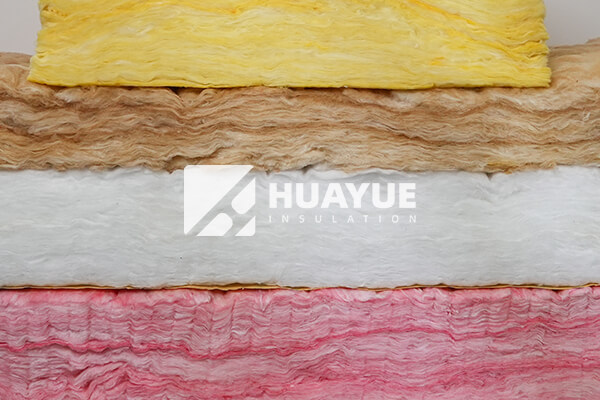
When I first started working in building maintenance, I found that many people confuse fiberglass with asbestos because both are fibrous and look similar. Some are nervous about hidden dangers behind walls. This is why it is important to know what really makes up insulation in your project.
Is there asbestos in fiberglass insulation?
Many homeowners and engineers worry about breathing asbestos from insulation. The unknowns behind the walls can create fear.
Modern fiberglass insulation does not contain asbestos. It is made by melting glass and spinning it into fibers. Some very old insulation products, especially made before the 1980s, may contain asbestos if they are not pure fiberglass or if they are a hybrid material.
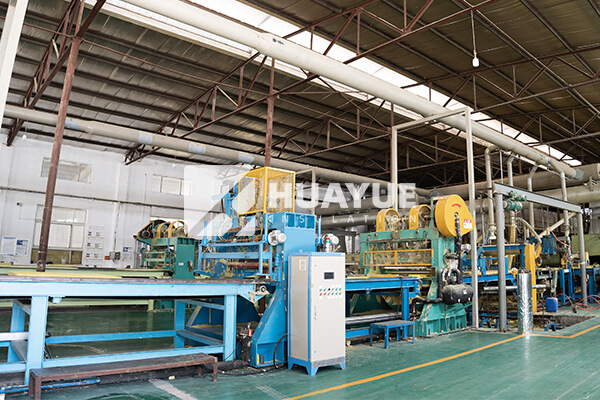
When I look at insulation upgrades in old buildings, accuracy matters. Before 1980, some manufacturers used asbestos for its fireproofing and insulating qualities. But fiberglass as a material is usually made without asbestos. Problems happen when insulation is a mix—batts, loose fill, or wrap that contains vermiculite or old pipe wrap. Sometimes, these types do contain asbestos.
I always check the age of the building. If the house or plant was built after 1980, pure fiberglass insulation from a trusted supplier is almost certainly asbestos-free. But in older factories, especially in tank systems or hot pipes, there could be lagging that looks like fiberglass but has an asbestos core. Labels rarely survived, so visual inspection and expert testing are key. Even if fiberglass is present, sometimes there is an underlayer of asbestos cloth or paper. I learned this lesson in an old chemical tank facility. We had to stop work and test every suspicious material. When in doubt, contacting an asbestos professional is the safest way to know for sure.
| Period | Risk of Asbestos in Fiberglass Insulation |
|---|---|
| Pre-1980 | Possible, especially in hybrid or specialty products |
| Post-1980 | Very unlikely, standard products are asbestos-free |
Is fiberglass insulation cancerous?
The health impact of breathing insulation fibers bothers many plant engineers. Anyone tasked with long-term maintenance feels personal responsibility.
Fiberglass insulation is not officially classified as carcinogenic for humans. Modern research shows that inhaled glass fibers are usually removed from the body quickly and do not accumulate in the lungs. Nevertheless, you should always avoid breathing dust of any kind.
I remember installing fiberglass rolls in my first factory job. Back then, we worried about breathing fibers in old, stuffy mechanical rooms. Unlike asbestos, which is proven to cause cancer, the studies now suggest most modern fiberglass does not stay in the lungs. The World Health Organization (WHO) and International Agency for Research on Cancer (IARC) classify modern insulation glass wool as "not classifiable as to its carcinogenicity to humans."
However, working with fiberglass is uncomfortable. It can irritate the skin, nose, and throat. Wearing masks and long sleeves is a must. Most health concerns today involve the discomfort and allergic reaction to installation—not cancer. I never skip using safety gear, even when repairing small insulation patches. Dust control is good practice for any material.
| Material | Cancer Risk | Other Health Risks |
|---|---|---|
| Asbestos | Proven | Mesothelioma, lung disease |
| Fiberglass | Unproven, low | Skin, eye, respiratory irritation |
How to test if insulation has asbestos?
The fear of finding hidden asbestos in unknown insulation can stop maintenance projects overnight. The risk of disturbing hazardous fibers makes everyone nervous.
The safest and most accurate way to check for asbestos is to hire a certified asbestos inspector. They take samples and send them to specialized labs. Never try to identify or remove suspicious materials yourself without proper protection.
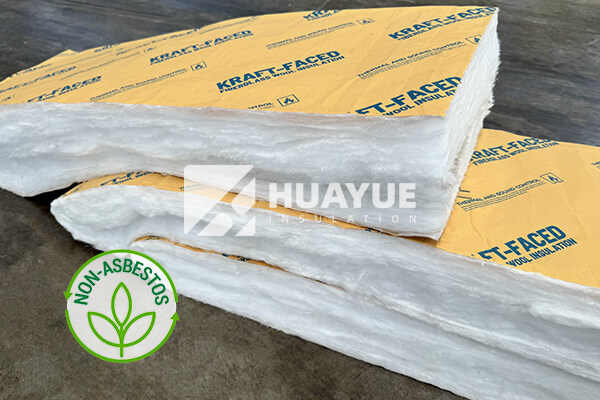
I had to deal with this in a 1960s chemical plant. Everyone guessed, but no one knew what was in old duct wraps. The law required us to stop and bring in professionals. Inspectors wear full protective gear. They seal off the area and collect a small piece of the fiberglass or wrap. Labs use microscopes to spot asbestos fibers. In my experience, this is worth the peace of mind—especially with large teams at risk. Test results come back fast, sometimes in 24 hours.
At home, never touch flaky, old, or unlabeled insulation. The cost of expert testing is far less than the health risk from guessing. In Europe and the United States, strict rules guide safe handling and disposal. Most contractors today refuse projects without asbestos testing first. I follow this practice and remind teams that safety cannot be rushed.
| Step | Action |
|---|---|
| Visual Inspection | Look for labels, warning signs, or old materials |
| Professional Sampling | Hire a certified expert; do not collect samples yourself |
| Laboratory Analysis | Specialized labs confirm asbestos presence or absence |
| Follow-up Action | Abatement or safe removal if asbestos is found |
Conclusion
Knowing if fiberglass insulation has asbestos protects health and solves confusion. Old materials need careful testing. Always choose safety and trusted experts when insulation is in doubt.
You may also be interested in:
Ready to Get Started?
Get in touch with our experts for personalized solutions tailored to your needs.
Get Free QuoteLatest Articles


Let's Work Together
Ready to take your business to the next level? Get in touch with our team of experts and let's discuss how we can help you achieve your goals.
Get Free Solutions