








Batt Insulation for Crawl Space: Which Is Best for Your Home?
Many crawl spaces lose energy due to poor insulation. Choosing the right batt insulation can make your home warmer, cut costs, and keep moisture away.
The best batt insulation for a crawl space is fiberglass or mineral wool with a proper R-value. Look for R19 or R30 batts when your crawl space is vented or exposed to extreme cold.
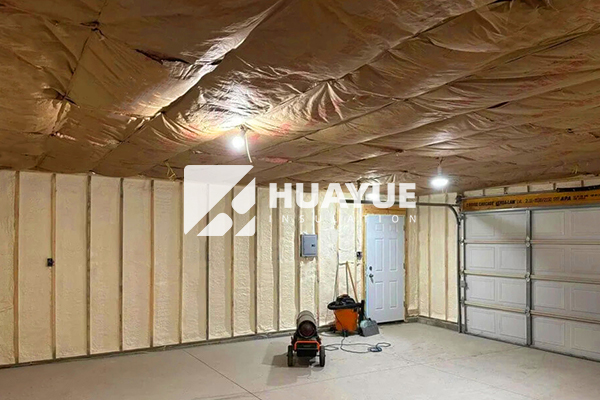
Homeowners struggle to find the right balance between warmth and moisture protection under their floors. If the crawl space is cold or damp, the right batt insulation stops drafts and moisture, saving you money in the long run. Let’s dive into key questions about crawl space insulation.
What type of batt insulation for crawl space?
Selecting batt insulation for a crawl space requires more than grabbing any product off the shelf. I once saw a homeowner choose thick attic insulation, only for it to become soggy after the first rainy season.
Fiberglass batt insulation is most often used in crawl spaces, thanks to its moisture resistance and ease of installation. Mineral wool works well for added fire protection and fits tight. Always select an R-value suited for your climate: R19 in milder areas, R30 in colder zones.

If your crawl space is vented, insulation should fit snugly between joists with the paper facing up toward the living space. Table 1 breaks down the common options and their strengths. Notice how mineral wool resists fire and compresses less, while fiberglass is lighter and good for DIY.
| Material | Moisture Resistance | Fire Resistance | R-Value Range | Install Difficulty |
|---|---|---|---|---|
| Fiberglass | Good | Fair | R19-R30 | Easy |
| Mineral Wool | Excellent | Excellent | R19-R30 | Moderate |
| Foam Board | Excellent | Excellent | R10-R30 | Hard |
Evaluating batt insulation means thinking about your local climate and the risk of dampness. If you have lots of rain or wet soil, consider vapor barriers and durable batts. Always measure between your joists before you buy. You want the insulation to fit tight, but not compressed.
Is R30 insulation good for crawl space?
Many homeowners wonder if higher R-values mean better protection underneath. I always say, more insulation is rarely bad—unless it gets damp or blocks needed airflow.
R30 batt insulation is excellent for crawl spaces in colder climates. It keeps floors warmer in winter and blocks drafts and heat loss. In more moderate climates, R19 or R21 may be enough.
Using R30 insulation brings clear benefits. Higher R-value batts give extra protection, especially with vented crawl spaces or older homes. The downside is thicker batts can cost more and be trickier to install. Table 2 compares common R-values for crawl spaces:
| R-Value | Best For | Pros | Cons |
|---|---|---|---|
| R19 | Mild climates | Lower price, easy install | Less warmth |
| R30 | Cold climates | Highest warmth, durable | Cost, thickness |
Always check your floor joist depth and spacing. If you use R30 in shallow spaces, it may compress and lose efficiency. In many northern or mountain climates, R30’s extra warmth justifies the expense.
Does crawl space insulation need a vapor barrier?
Crawl spaces are exposed to ground moisture. Without a vapor barrier, even top-rated insulation can lose effectiveness and encourage mold growth. I once saw insulation installed without a barrier—it turned black in six months.
Most crawl spaces benefit from a vapor barrier. This stops ground moisture from rising and damaging insulation materials. Place the vapor barrier over exposed dirt and seal seams tight.
Adding a vapor barrier gives you extra-dimensional protection. Fiberglass batts do not block moisture on their own. Table 3 lays out why vapor barriers matter:
| Crawl Space Type | Barrier Needed | Why |
|---|---|---|
| Vented (open soil) | Yes | Moisture, mold control |
| Encapsulated | Maybe | Already sealed, extra security |
If you use unfaced batts, vapor barriers are even more important. In humid areas, a vapor barrier under batts cuts down problems for years. Always wrap edges up the foundation wall for extra coverage.
Should I use unfaced insulation in a crawl space?
Faced and unfaced batts both work for crawl spaces. One homeowner I helped chose unfaced insulation, thinking it was safer for humid air, but forgot the vapor barrier, causing problems later.
Use unfaced insulation only if you plan to add a separate vapor barrier. Faced batts come with a built-in paper layer, which acts as a basic moisture shield.
Unfaced batts are easier to install in tight spaces or when you need to layer materials. Table 4 compares both types in crawl space use:
| Insulation Type | Vapor Protection | Best Use | Issues |
|---|---|---|---|
| Faced | Basic | DIY, simple jobs | Paper may tear |
| Unfaced | None | Custom jobs, layering | Needs vapor barrier |
Always ask about the local climate before deciding. If you live in a humid region, use faced insulation or always install a vapor barrier underneath unfaced batts. This keeps your crawl space dry and your insulation working for many years.
Conclusion
Choosing the right batt insulation for your crawl space means protecting your home from cold and moisture. Pick a material and R-value that matches your local climate, install a vapor barrier, and keep maintenance simple.
You may also be interested in:
Ready to Get Started?
Get in touch with our experts for personalized solutions tailored to your needs.
Get Free QuoteLatest Articles


Should B2B Buyers Choose Mineral Wool Insulation?
Mar 31, 2026
Is Rock Wool a Good Choice for Acoustic Insulation?
Mar 30, 2026
Rockwool Insulation for Roof: Best Practices (2026)
Mar 27, 2026
Let's Work Together
Ready to take your business to the next level? Get in touch with our team of experts and let's discuss how we can help you achieve your goals.
Get Free Solutions