| Supply & Return Air Ducts |
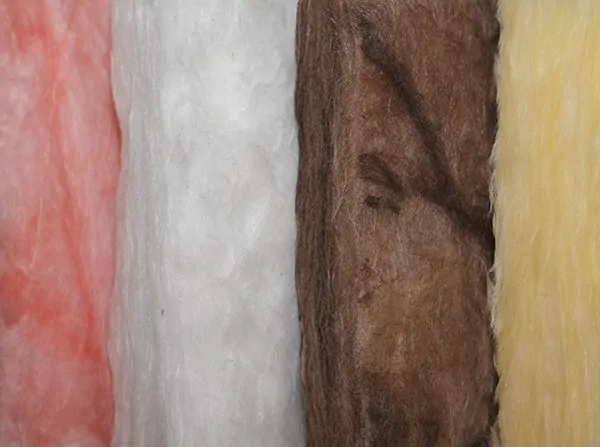
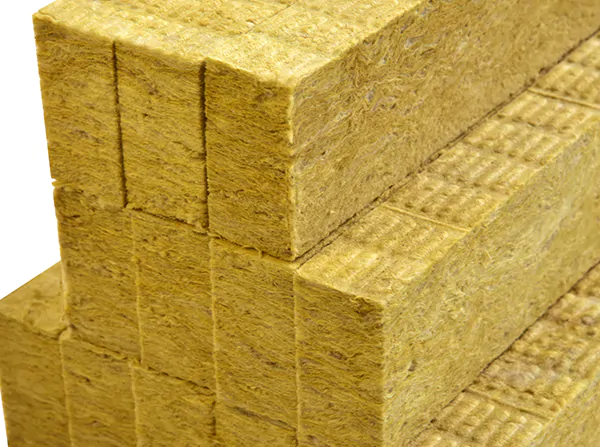
Glass Wool BlanketGlass Wool Board
|
Lightweight, cost-effective duct wrap and duct lining with combined thermal and acoustic function. Available with foil, FSK, or other vapor-retarder facings. The standard duct insulation material for commercial and residential HVAC. Rubber foam is unnecessarily expensive for duct applications. |
Duct dimensions, indoor/outdoor location, facing preference, fire/smoke classification required for duct location |
| Ducts in Plenum or Return-Air Spaces |
Glass Wool BoardRock Wool Board
|
Plenum-rated locations require insulation that meets specific flame spread and smoke development limits. Glass wool and rock wool boards with tested facing systems address this. Confirm fire/smoke classification matches the specific plenum requirement. |
Plenum type, applicable fire/smoke standard, facing requirement, duct dimensions |
| Chilled-Water Pipes |
Rubber Foam Tube
|
Closed-cell structure provides integrated vapor resistance — prevents condensation on cold pipes without a separate vapor barrier. This is a physics requirement, not a preference: mineral wool absorbs moisture from condensation on cold pipes, loses thermal performance, and causes dripping and corrosion. |
Pipe diameters and quantities, chilled-water temperature, indoor/outdoor location, fire/smoke document requirements |
| Refrigerant Lines |
Rubber Foam Tube
|
Same condensation-control logic as chilled water. Rubber foam tubes are available in sizes matched to standard refrigerant line diameters for split systems and VRF/VRV installations. |
Refrigerant line diameters, system type (split/VRF/VRV), wall thickness requirement |
| Hot-Water & Heating Pipes |
Rock Wool PipeRubber Foam Tube
|
At moderate hot-water temperatures, rubber foam can serve if within its operating limit (typically up to +105-120°C — consult datasheet). Above that limit — or where non-combustible documentation is required — rock wool pipe sections are the standard. |
Service temperature (normal and peak), pipe diameters, fire documentation requirement, jacketing preference |
| Mechanical Room Equipment & Surfaces |
Rock Wool BoardRock Wool Blanket
|
Non-combustible, handles high temperatures, and provides acoustic absorption in noisy mechanical spaces. Mechanical rooms often have independent fire classification requirements — rock wool meets these without additional treatment. |
Equipment surface geometry, operating temperature, fire classification for the room, acoustic target if any |
| Duct Risers & Shaft Penetrations |
Rock Wool BoardGlass Wool Board
|
Vertical duct runs through fire-rated shafts need insulation that supports the fire rating of the shaft assembly. Rock wool is preferred where non-combustible classification is required. Fire/smoke documentation must match the shaft's fire rating. |
Shaft fire rating, duct dimensions, applicable fire standard, fire-stop system |
| Below-Grade or Buried Chilled Service |
Cellular Glass Pipe
|
Where chilled-water or cold-process lines run below grade or through areas with continuous moisture contact, cellular glass is the only insulation that survives without absorbing water. Standard for large campus chilled-water distribution in buried trenches. |
Burial depth, pipe diameters, moisture conditions, compressive loads, temperature range |